How Civil Engineers Ensure Structural Safety
Structural safety is the foundation of every successful construction project. From residential homes to high-rise buildings, bridges, roads, and industrial facilities, civil engineers carry the responsibility of protecting lives, investments, and communities. A single structural failure can lead to severe financial loss, injuries, or even fatalities — which is why safety is never an afterthought; it is engineered into every stage of a project.
Civil engineers ensure structural safety through a combination of science, planning, analysis, materials testing, supervision, and long-term monitoring. Below is a detailed look at how they make structures stable, durable, and reliable.
1. Detailed Site Investigation and Soil Analysis
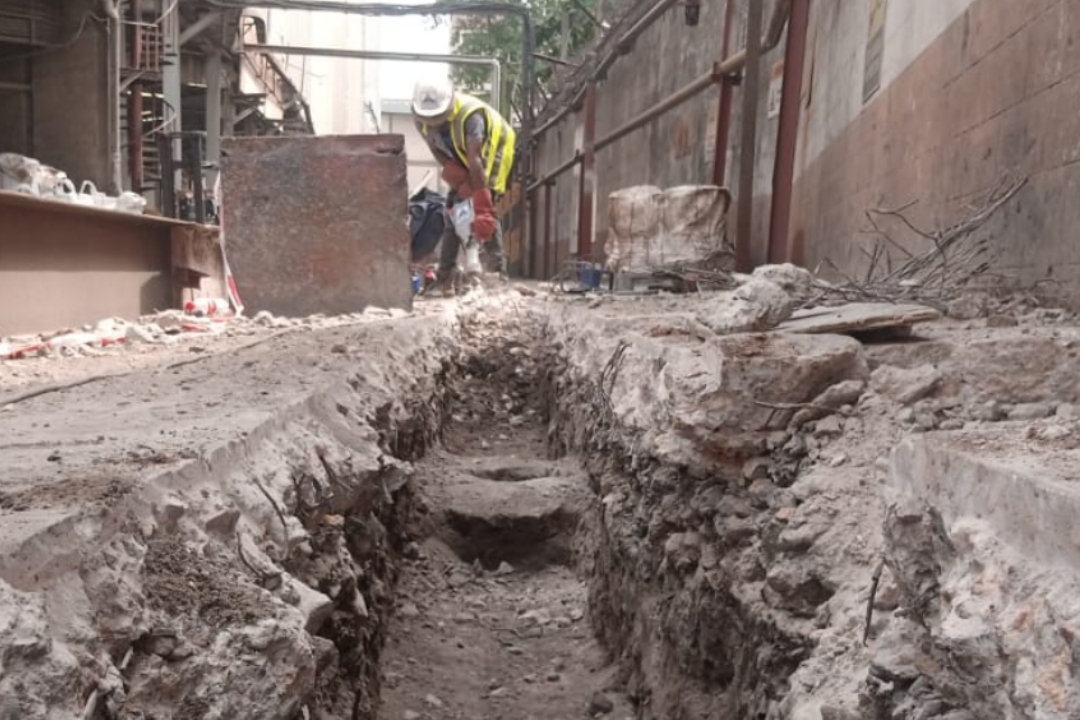
Before any design begins, civil engineers perform geotechnical investigations to understand the ground on which the structure will stand. The strength of a building depends heavily on its foundation — and the foundation depends on soil behavior.
Engineers study:
-
Soil bearing capacity
-
Groundwater level
-
Soil settlement characteristics
-
Liquefaction risk (in weak or sandy soils)
-
Expansive clay behavior
Laboratory and field tests such as Standard Penetration Test (SPT) and plate load tests help determine how much load the soil can safely support.
If the soil is weak, engineers redesign the foundation using solutions like:
-
Raft foundations
-
Pile foundations
-
Soil stabilization
-
Compaction and replacement
Without proper soil analysis, even a well-designed building can crack, tilt, or collapse.
2. Accurate Structural Design and Calculations
Civil engineers apply structural analysis principles to ensure every element of a structure can safely resist loads throughout its lifespan.
They calculate:
Dead Loads – weight of the structure itself
Live Loads – occupants, furniture, equipment
Wind Loads – lateral pressure from wind forces
Seismic Loads – earthquake forces
Snow & Rain Loads – environmental effects
Using engineering formulas and computer modeling software, engineers determine:
-
Beam sizes
-
Column strength
-
Slab thickness
-
Reinforcement spacing
-
Foundation depth
Safety factors are always included. Structures are never designed at their breaking limit — they are designed to withstand loads far beyond expected usage.
3. Compliance with Engineering Codes and Standards
Civil engineers follow national and international building codes to ensure public safety. These codes are developed from decades of research, failures, and performance studies.
They regulate:
-
Minimum concrete strength
-
Reinforcement detailing
-
Fire resistance
-
Load combinations
-
Structural stability requirements
By complying with approved standards, engineers eliminate guesswork and ensure uniform safety performance.
4. Proper Material Selection and Testing
Even the best design fails if poor materials are used. Civil engineers ensure quality control through rigorous testing before and during construction.
They verify:
Concrete
-
Compressive strength (cube test)
-
Water-cement ratio
-
Workability (slump test)
Steel Reinforcement
-
Tensile strength
-
Yield strength
-
Ductility
Blocks and Aggregates
-
Crushing strength
-
Gradation
-
Durability
Defective materials are rejected immediately. This prevents future cracks, corrosion, and structural deterioration.
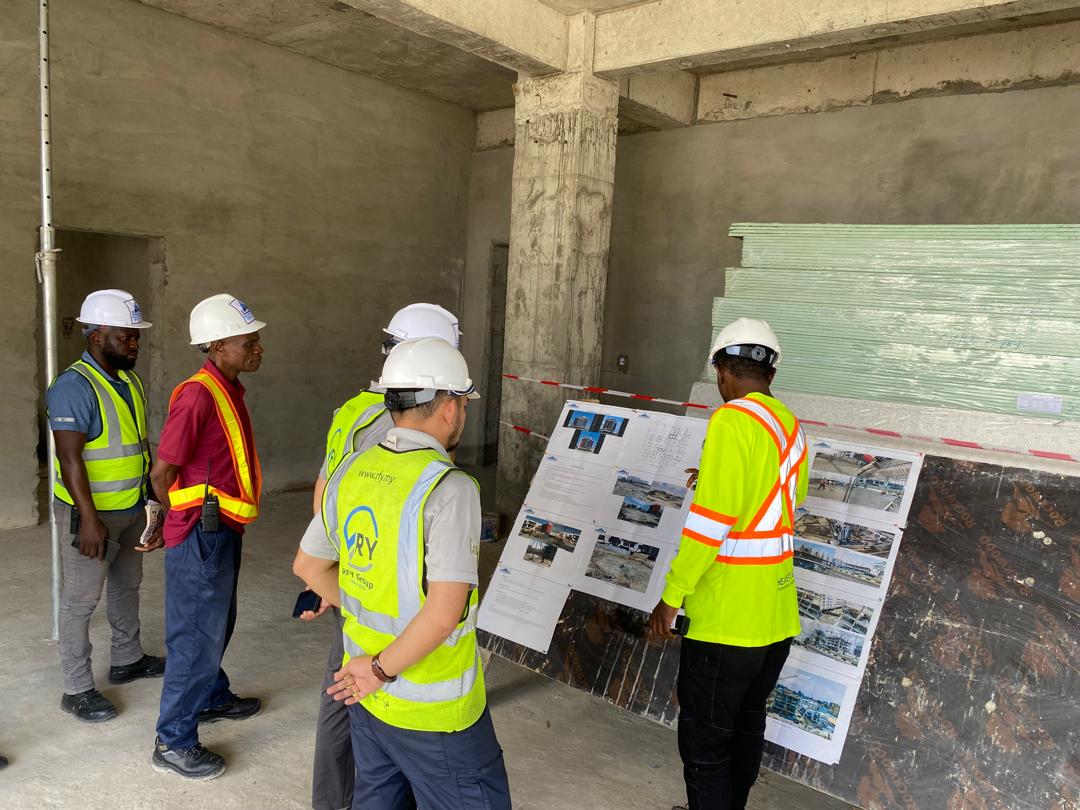
5. Supervision During Construction
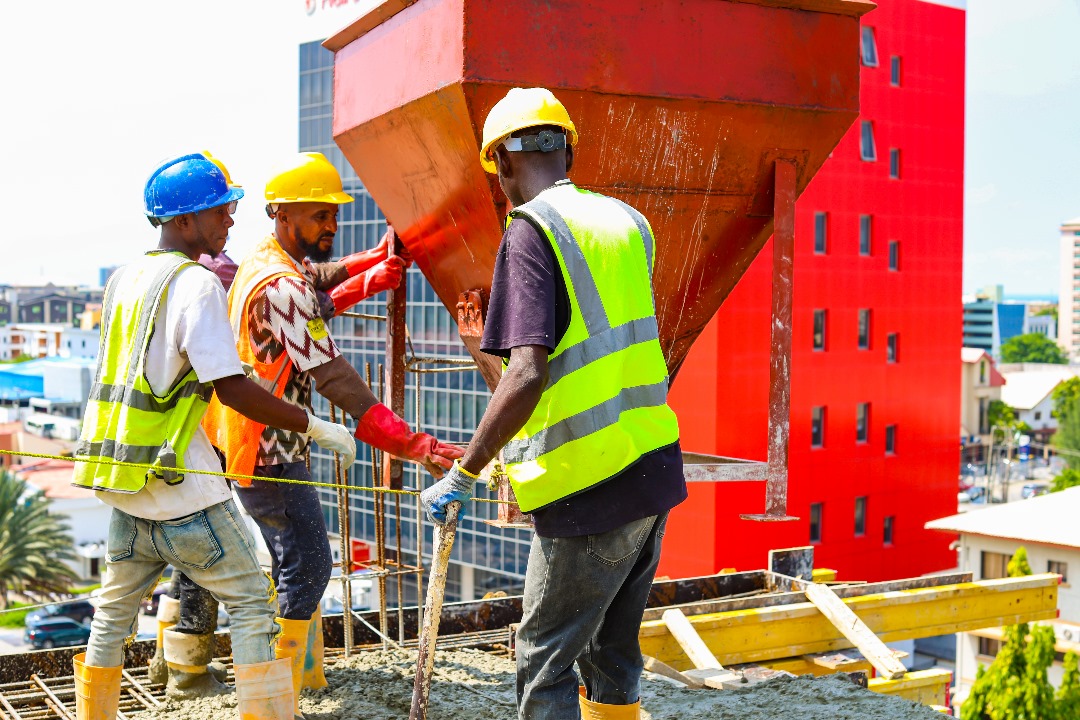
Design safety must be translated correctly into physical construction. Civil engineers supervise site activities to ensure contractors follow structural drawings exactly.
They monitor:
-
Reinforcement placement
-
Proper concrete mixing ratios
-
Formwork alignment
-
Foundation depth
-
Curing duration
Small construction errors — like wrong bar spacing or insufficient curing — can reduce structural strength by over 40%. Continuous supervision prevents these mistakes.
6. Load Distribution and Structural Stability Systems
Civil engineers design structures so loads are safely transferred to the ground without overstressing any single component.
They introduce stability systems such as:
-
Shear walls
-
Bracing systems
-
Moment resisting frames
-
Load-bearing walls
These systems prevent collapse during heavy wind, earthquakes, or uneven settlement.
7. Safety Against Environmental and Natural Forces
Structures must survive more than just weight — they must withstand nature.
Engineers design against:
Wind Pressure
Tall buildings are shaped and reinforced to prevent sway and overturning.
Flooding
Proper drainage and raised foundations prevent water damage.
Earthquakes
Flexible reinforcement detailing allows buildings to absorb seismic energy without brittle failure.
Temperature Changes
Expansion joints prevent cracking due to heat expansion and contraction.
8. Inspection, Maintenance, and Monitoring
Structural safety continues even after construction. Engineers recommend routine inspections to detect early signs of failure:
-
Cracks
-
Deflection
-
Corrosion
-
Settlement
-
Water penetration
Preventive maintenance extends structural life and avoids catastrophic failures.
9. Risk Assessment and Safety Factors
Civil engineers always assume worst-case scenarios. They design structures stronger than required to account for uncertainties like:
-
Unexpected overload
-
Human misuse
-
Material variability
-
Future modifications
This margin of safety is what keeps buildings standing decades beyond their design life.
Conclusion
Structural safety is the result of disciplined engineering — not luck. From soil testing to final inspection, civil engineers apply scientific analysis, standardized design, material verification, and supervision to ensure structures remain stable for generations.
A safe structure protects lives, preserves investment, and builds trust in infrastructure development. Without the expertise of civil engineers, modern construction would be unreliable and dangerous.
In simple terms:
Every safe building is a product of careful engineering decisions made long before construction even begins.