Engineering Challenges in Canal Construction
Introduction
Canal construction plays a critical role in irrigation, flood control, water supply, and transportation. In many developing and urbanizing regions, canals help manage water resources, prevent flooding, and support agriculture and infrastructure development.
However, building a canal is far more complex than simply digging a trench and allowing water to flow. Canal engineering involves geotechnical analysis, hydraulic design, environmental protection, structural planning, and long-term maintenance strategies.
This article explores the major engineering challenges in canal construction and the solutions used by modern civil engineering firms to build durable and efficient canal systems.
What Is Canal Construction in Civil Engineering?
A canal is an artificial waterway designed to transport water from one location to another. Canals may serve purposes such as:
- Irrigation and agriculture
- Urban stormwater management
- Flood control
- Water supply distribution
- Inland transportation
Because canals carry moving water, they must be carefully designed to prevent erosion, collapse, leakage, and flooding.
Why Canal Construction Is Technically Challenging
Unlike roads or buildings, canals interact continuously with water, soil, and environmental forces. This makes canal construction one of the most demanding fields in civil engineering.
Engineers must balance:
- Soil stability
- Water flow dynamics
- Environmental impact
- Structural durability
- Long-term maintenance
Major Engineering Challenges in Canal Construction
1. Soil Stability and Geotechnical Issues
The ground through which a canal passes determines its success or failure.
Common soil challenges include:
- Soft clay soils causing collapse
- Sandy soils leading to erosion
- Expansive soils causing cracks
- High groundwater levels weakening canal walls
Without proper soil investigation, canals may fail within a few years.
Solution:
Geotechnical testing helps engineers design proper slopes, lining systems, and reinforcement methods.
2. Seepage and Water Loss
Water leakage through canal beds and walls is a major problem. Seepage can:
- Reduce water efficiency
- Cause soil erosion
- Weaken canal banks
- Damage nearby structures
In irrigation canals, seepage can lead to massive water loss.
Solutions include:
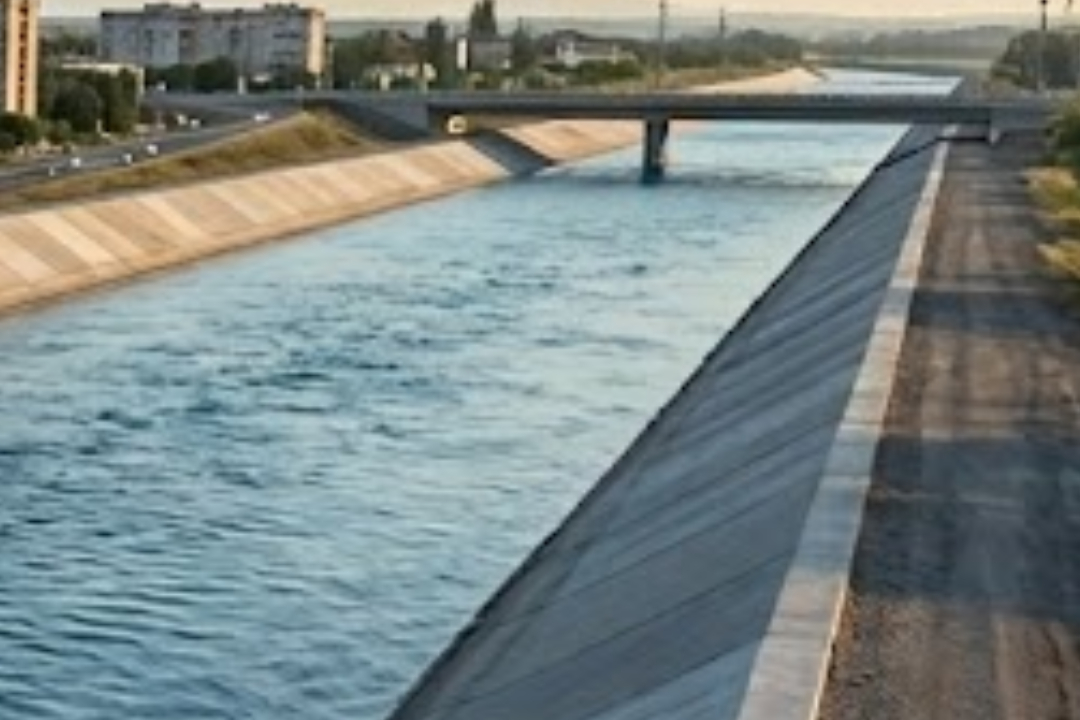
- Concrete lining
- Geomembrane liners
- Compacted clay layers
- Waterproof coatings
These solutions improve water retention and structural durability.
3. Erosion and Sedimentation
Flowing water continuously erodes soil and deposits sediments. Over time, this leads to:
- Canal widening and collapse
- Reduced water capacity
- Blocked flow paths
- Frequent maintenance needs
Engineering solutions:
- Proper slope design
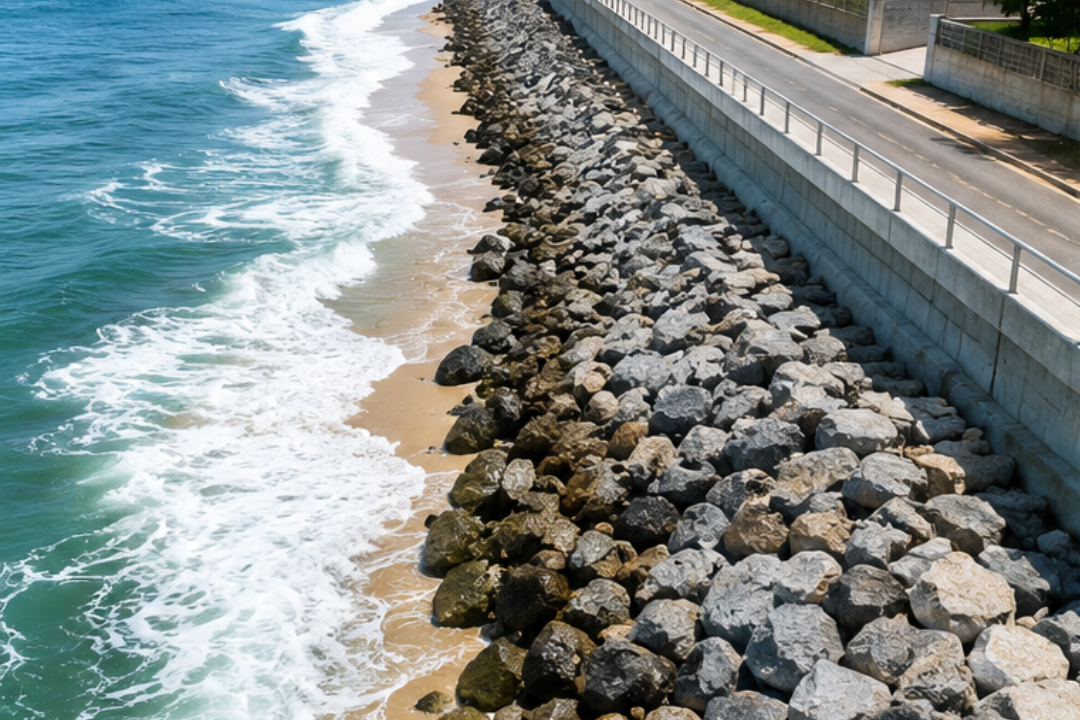
- Riprap and stone protection
- Flow velocity control
- Sediment traps and desilting basins
4. Hydraulic Design and Flow Control
A canal must maintain controlled water flow. If flow is too fast, erosion occurs. If too slow, sediment builds up.
Engineers must carefully calculate:
- Canal slope
- Cross-section shape
- Flow velocity
- Water depth
- Discharge capacity
Hydraulic miscalculations can cause flooding or structural damage.
5. Structural Integrity of Canal Banks
Canal banks must resist:
- Water pressure
- Soil pressure
- Vegetation growth
- Weather conditions
Weak canal walls can collapse, leading to flooding and property damage.
Solutions:
- Reinforced concrete walls
- Stone pitching
- Vegetation control
- Retaining structures
6. Environmental and Community Impact
Canal projects can affect:
- Nearby communities
- Wildlife habitats
- Agricultural land
- Groundwater systems
Modern canal construction requires environmental impact assessments and sustainable design strategies.
Drainage Integration and Flood Management
Canals often function as part of broader drainage systems. Engineers must ensure canals integrate with:
- Stormwater networks
- Culverts and bridges
- Retention ponds
- Urban drainage channels
Poor integration can cause severe flooding during heavy rainfall.
Construction Challenges on Site
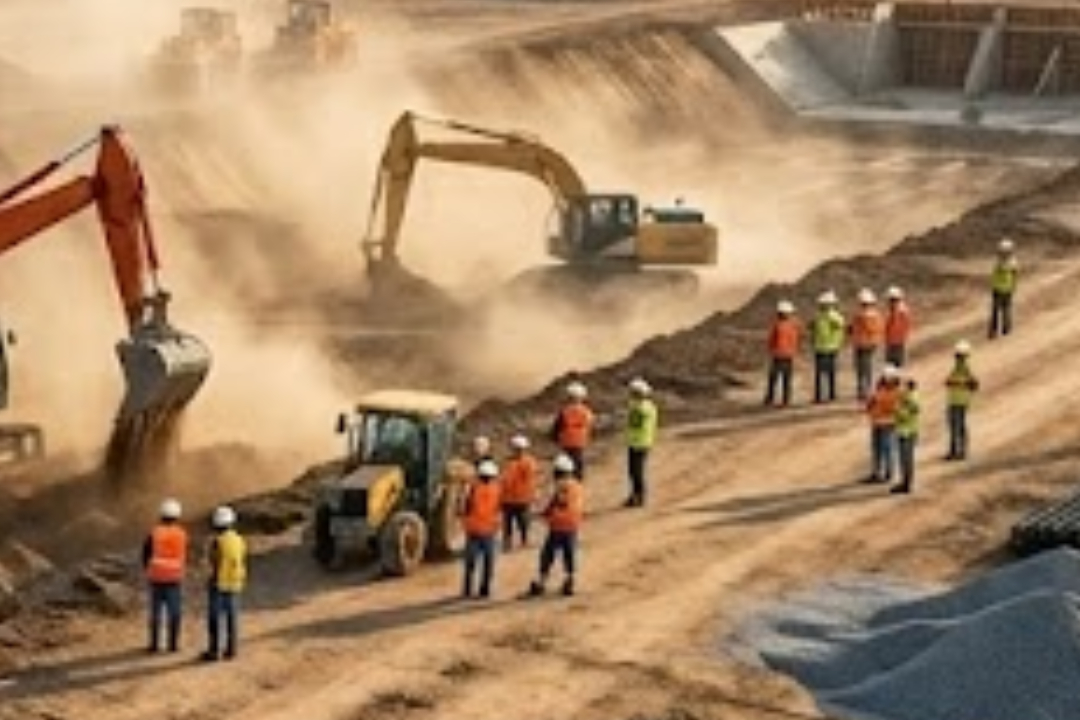
Typical site challenges include:
- Excavation in wet or unstable soil
- Equipment access in remote areas
- Managing water during construction
- Safety risks near deep excavations
Careful planning and project management are essential.
Importance of Maintenance in Canal Infrastructure
Even well-designed canals require regular maintenance:
- Desilting and cleaning
- Vegetation removal
- Repair of linings
- Inspection of structures
Preventive maintenance ensures canals function effectively for decades.
Role of Professional Engineering Firms
Engineering companies ensure successful canal projects by:
- Conducting feasibility studies
- Performing soil investigations
- Designing hydraulic systems
- Supervising construction
- Implementing maintenance plans
Professional expertise reduces risk and improves long-term performance.
Conclusion
Canal construction is a complex engineering process that requires expertise in soil mechanics, hydraulics, structural engineering, and environmental management. Addressing challenges such as seepage, erosion, sedimentation, and structural stability is essential for building durable and efficient canal systems.
With proper design, construction, and maintenance, canals can serve communities for decades while supporting water management, agriculture, and urban development.