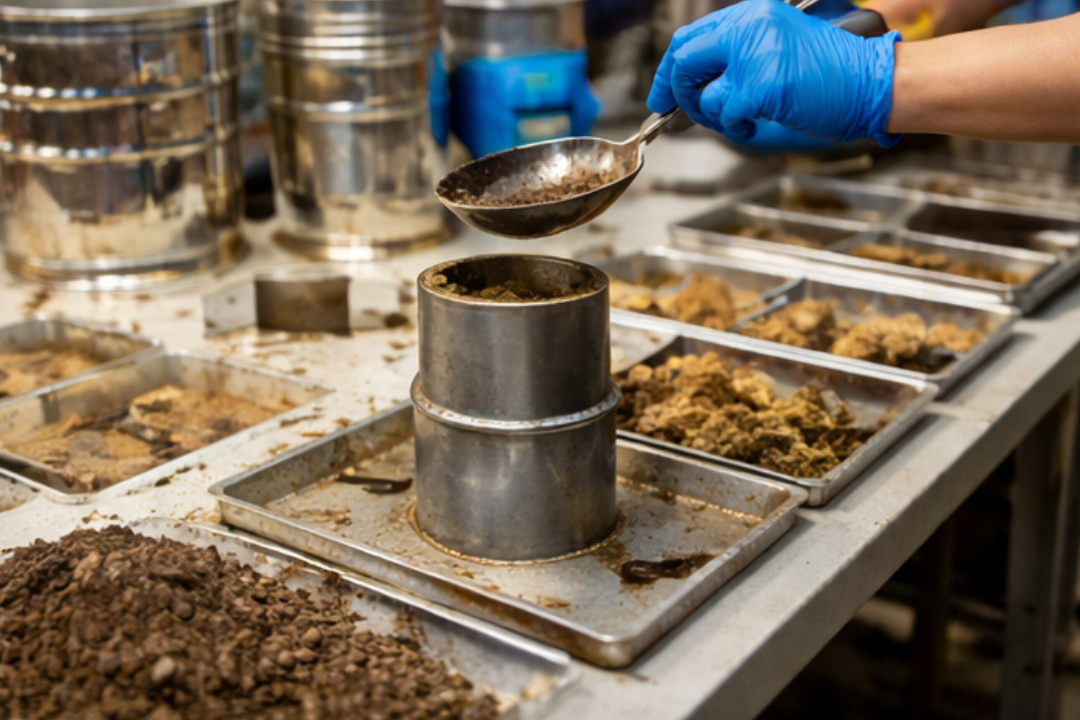
Why Soil Investigation Is Critical in Civil Engineering
Soil investigation is one of the most important early steps in any construction or infrastructure project. Before the first foundation is dug or the first road layer is laid, engineers must understand the ground that will support the structure. Ignoring proper soil testing can lead to structural failure, project delays, costly repairs, and safety risks.
This article explains why soil investigation is essential in civil engineering, the methods used, and how it protects long-term infrastructure performance.
What Is Soil Investigation?
Soil investigation (also called geotechnical investigation) is the process of studying the physical and mechanical properties of soil and rock at a construction site.
The goal is to determine whether the ground can safely support the proposed structure and what type of foundation is required.
Typical soil investigations examine:
- Soil strength and bearing capacity
- Moisture content and drainage properties
- Soil composition and layering
- Groundwater level
- Settlement potential
- Risk of soil movement or erosion
This information forms the foundation of safe engineering design.
Why Soil Investigation Is So Important
1. Ensures Structural Stability
Every structure transfers its load to the ground beneath it. If the soil cannot support the weight, the structure may:
- Sink or settle unevenly
- Develop cracks
- Experience foundation failure
- Collapse in extreme cases
Proper soil investigation ensures the ground can safely carry structural loads.
2. Determines the Right Foundation Type
Different soil types require different foundation solutions.
Examples:
- Strong rocky soil: shallow foundations may work
- Soft clay soil: deep foundations or piling required
- Sandy soil: special stabilization may be needed
Choosing the wrong foundation without soil testing can cause catastrophic damage.
3. Prevents Uneven Settlement
Uneven settlement occurs when parts of a building sink more than others. This leads to:
- Cracked walls and floors
- Misaligned doors and windows
- Structural instability
- Expensive repairs
Soil investigation helps engineers design foundations that settle evenly.
4. Reduces Construction Costs
Many developers skip soil testing to save money — but this often leads to higher costs later.
Soil investigation helps avoid:
- Overdesigning foundations unnecessarily
- Underdesigning foundations that later fail
- Unexpected construction delays
- Emergency repairs
A small investment in soil testing can save millions in future repairs.
5. Identifies Groundwater and Drainage Issues
High groundwater levels can weaken soil and cause:
- Foundation instability
- Basement flooding
- Corrosion of reinforcement steel
- Reduced soil strength
Soil investigation helps engineers design proper drainage and waterproofing systems.
Common Soil Types and Their Challenges
Clay Soil
- Expands when wet, shrinks when dry
- Causes foundation movement and cracking
Sandy Soil
- Drains well but may shift under heavy loads
Silty Soil
- Retains water and becomes unstable
Rocky Soil
- Very strong but expensive to excavate
Each soil type requires different engineering solutions.
Soil Investigation in Road Construction
Roads rely heavily on soil strength. Weak subgrade soil can lead to:
- Pavement cracking
- Road sinking
- Frequent potholes
- Drainage failure
Soil testing helps engineers design the right pavement thickness and drainage systems.
Soil Investigation Methods Used by Engineers
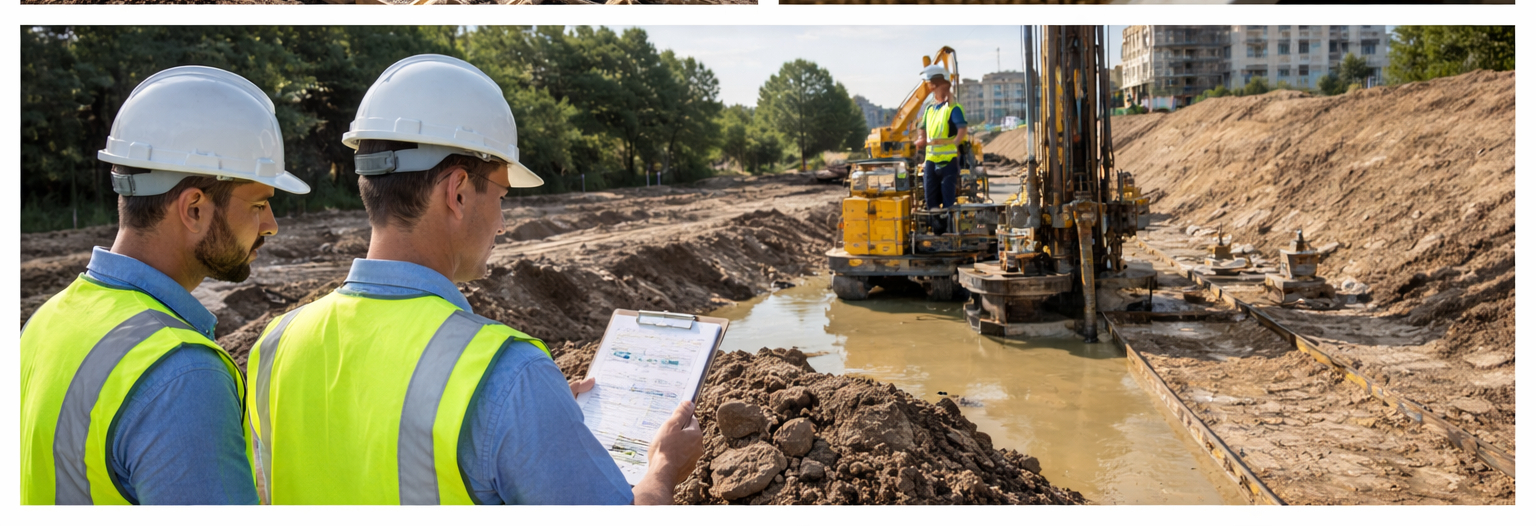
1. Borehole Drilling
Samples are collected from deep underground layers.
2. Standard Penetration Test (SPT)
Measures soil strength and resistance.
3. Cone Penetration Test (CPT)
Determines soil behavior and bearing capacity.
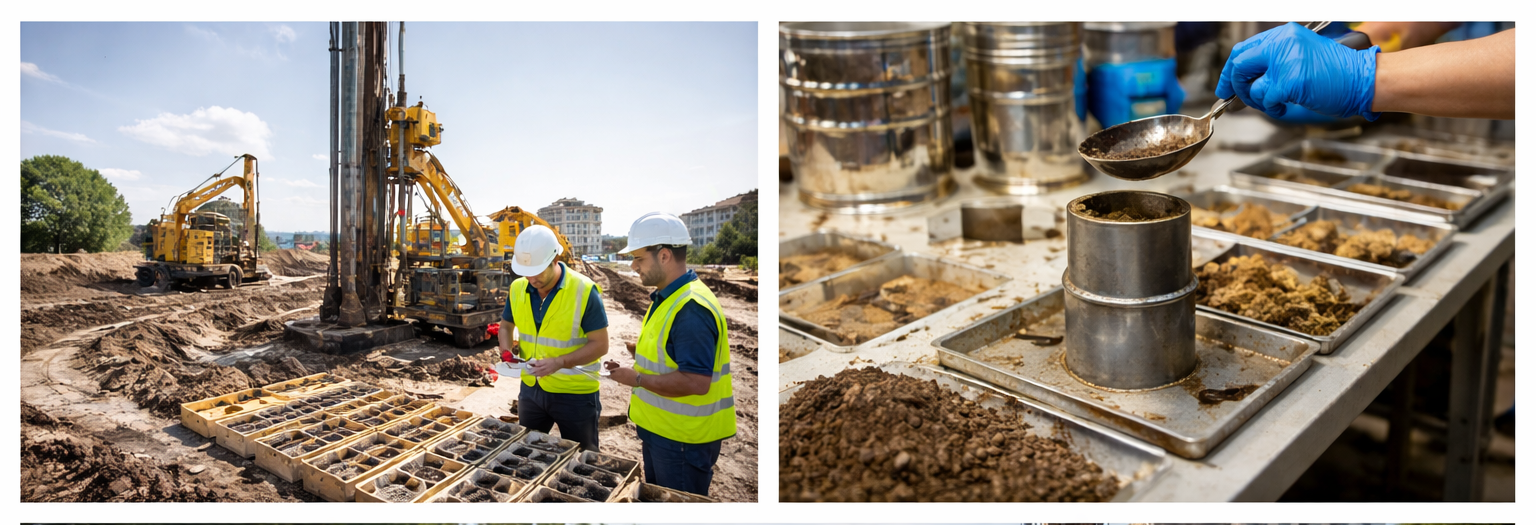
4. Laboratory Soil Testing
Tests soil for:
- Moisture content
- Density
- Strength
- Plasticity
These tests provide data for safe structural design.
Risks of Skipping Soil Investigation
Projects that ignore soil testing often experience:
- Foundation failure
- Structural cracks
- Flooding problems
- Cost overruns
- Safety hazards
Many infrastructure failures around the world are linked to poor geotechnical investigation.
Soil Investigation and Infrastructure Lifespan
Proper soil testing helps infrastructure last longer by:
- Preventing premature failure
- Reducing maintenance costs
- Improving structural durability
- Enhancing safety
This is essential for roads, bridges, buildings, and drainage systems.
Role of Engineering Professionals
Engineering firms conduct soil investigations to:
- Evaluate site conditions
- Recommend foundation solutions
- Ensure compliance with engineering standards
- Reduce project risks
Professional soil investigation is a key part of responsible construction.