Concrete Road Construction Explained: Process, Benefits, and Why It Matters
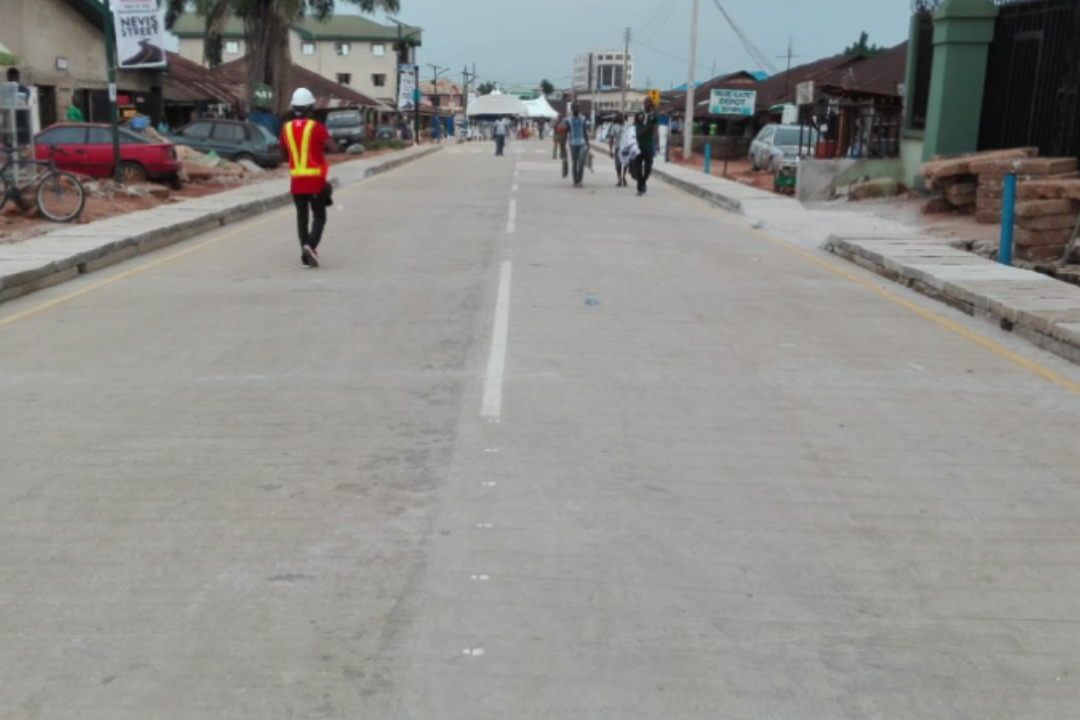
Concrete road construction is one of the most reliable and durable methods used in modern infrastructure development. As traffic loads increase and environmental conditions become more demanding, engineers are turning to concrete (rigid pavement) as a long-lasting solution for highways, urban roads, and industrial access routes.
In this guide, we explain everything you need to know about concrete road construction, including the process, advantages, design considerations, and why it is widely used in Nigeria and across the world.
What Is Concrete Road Construction?
Concrete road construction refers to the use of cement concrete to create a rigid pavement surface capable of withstanding heavy traffic loads and harsh weather conditions.
Unlike asphalt roads (flexible pavements), concrete roads are:
-
More durable
-
Less prone to deformation
-
Designed for long-term performance
Concrete pavements distribute vehicle loads over a wider area, reducing stress on the underlying soil and improving structural stability.
Types of Concrete Roads (Rigid Pavement Types)
There are different types of concrete pavements used in road construction:
1. Jointed Plain Concrete Pavement (JPCP)
-
Contains contraction joints to control cracking
-
Commonly used for highways and urban roads
2. Jointed Reinforced Concrete Pavement (JRCP)
-
Includes steel reinforcement
-
Provides improved load distribution
3. Continuously Reinforced Concrete Pavement (CRCP)
-
No joints required
-
High durability and long service life
Each type is selected based on traffic load, budget, and environmental conditions.
Step-by-Step Concrete Road Construction Process
Understanding the concrete road construction process helps ensure quality, durability, and performance.
1. Site Preparation and Surveying
The construction process begins with clearing, grading, and leveling the site. Engineers conduct soil tests to determine the strength of the subgrade.
2. Subgrade Preparation
The subgrade is compacted to provide a stable foundation. Weak soils may be stabilized using lime, cement, or other materials.
3. Sub-base and Base Layer Construction
A granular or stabilized sub-base is placed to:
-
Improve load distribution
-
Prevent moisture intrusion
-
Enhance drainage
4. Formwork Installation
Forms are set up to define the shape and alignment of the road.
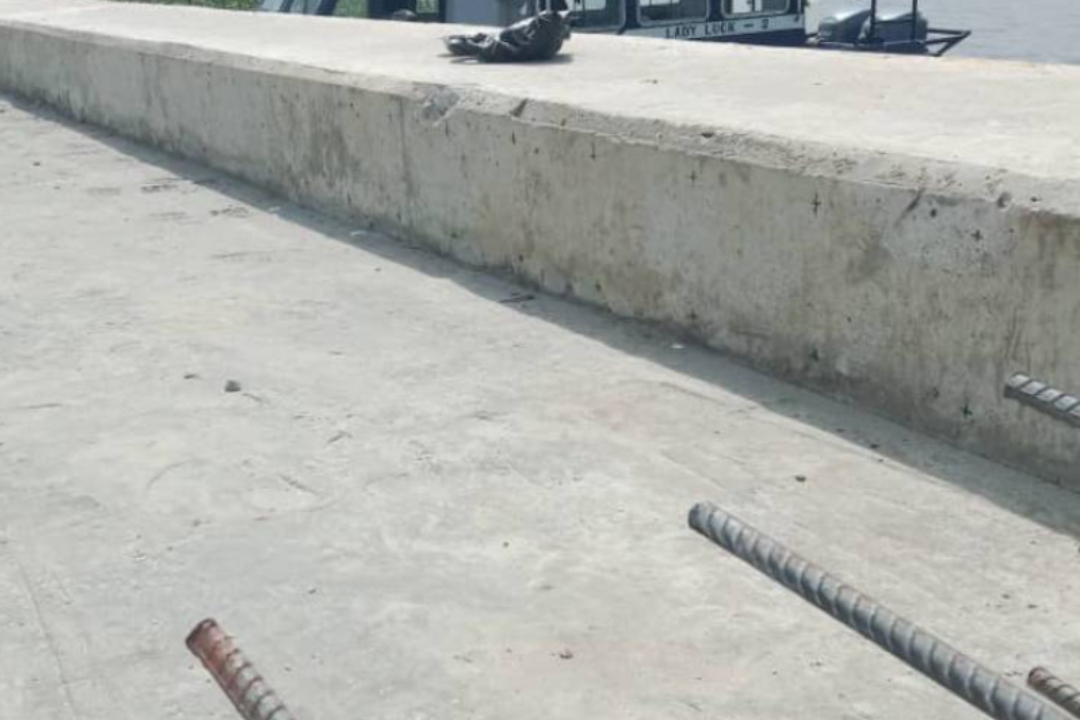
5. Reinforcement Placement (if required)
Steel reinforcement bars or mesh are installed for added strength and crack control.
6. Concrete Mixing and Placement
Concrete is mixed according to design specifications and poured onto the prepared surface.
7. Compaction and Finishing
The concrete is compacted using vibrators and finished to achieve a smooth surface with proper texture for skid resistance.
8. Joint Cutting
Control joints are cut to prevent random cracking due to temperature changes and shrinkage.
9. Curing Process
Curing is essential for strength development. The concrete is kept moist for several days to ensure proper hydration.
10. Opening to Traffic
After adequate curing and strength gain, the road is opened for use.
Advantages of Concrete Road Construction
Concrete roads offer several benefits that make them ideal for long-term infrastructure projects.
1. High Durability
Concrete roads can last 20–40 years or more with minimal maintenance.
2. Low Maintenance Cost
Unlike asphalt roads, concrete requires less frequent repairs.
3. Resistance to Heavy Traffic Loads
Concrete pavements perform well under heavy trucks and industrial traffic.
4. Weather Resistance
They withstand extreme temperatures, heavy rainfall, and flooding conditions.
5. Improved Safety
Concrete surfaces provide better visibility at night and improved skid resistance.
6. Cost-Effective Over Time
Although initial construction cost may be higher, long-term savings make concrete roads more economical.
Challenges of Concrete Road Construction
Despite its advantages, concrete road construction comes with some challenges:
-
Higher initial construction cost
-
Longer curing time before use
-
Skilled labor and equipment required
-
Risk of cracking if not properly designed
Proper engineering design and construction practices help overcome these challenges.
Key Design Considerations for Concrete Roads
To ensure long-lasting performance, engineers must consider:
• Traffic Load Analysis
Design must account for vehicle weight and traffic volume.
• Soil Conditions
Weak soils require stabilization to prevent settlement.
• Drainage Design
Proper drainage prevents water damage and extends road lifespan.
• Climate Conditions
Temperature variations influence expansion and contraction of concrete.
• Material Quality
High-quality cement, aggregates, and water ensure durability.
Concrete Road Construction in Nigeria
In Nigeria, concrete roads are increasingly being adopted for:
-
Industrial areas with heavy truck movement
-
High-traffic urban roads
-
Flood-prone regions
-
Long-life infrastructure projects
With frequent rainfall and challenging soil conditions in many regions, rigid pavement construction provides a more durable alternative to asphalt roads.
Engineering firms like Heaven’s Gate Engineering play a key role in delivering high-quality concrete road construction services in Nigeria, ensuring roads are built to withstand local environmental and traffic conditions.
Why Choose Professional Engineers for Concrete Road Projects?
Concrete road construction requires precision, expertise, and proper planning. Working with experienced civil engineering professionals ensures:
-
Accurate design calculations
-
Proper material selection
-
Quality construction practices
-
Compliance with engineering standards
-
Long-lasting infrastructure
Poor construction practices can lead to early failure, cracking, and increased maintenance costs.
Conclusion
Concrete road construction remains one of the most reliable solutions for building durable, long-lasting roads. Its ability to withstand heavy traffic loads, resist environmental damage, and reduce long-term maintenance costs makes it a preferred choice for modern infrastructure projects.
By understanding the process, benefits, and design principles of concrete roads, project owners can make informed decisions that ensure sustainability and performance.
Investing in quality concrete road construction today guarantees safer, stronger, and more resilient roads for the future.