How Infrastructure Improves Trade and Transportation
Infrastructure plays a major role in the growth and development of any economy. From roads and bridges to railways, seaports, airports, and drainage systems, these facilities make it easier for people, goods, and services to move from one location to another.
For businesses, efficient infrastructure means faster deliveries, lower transportation costs, improved access to markets, and better opportunities for expansion. For individuals and communities, it creates easier access to workplaces, schools, healthcare facilities, and essential services.
In developing economies like Nigeria, investing in reliable infrastructure is particularly important because transportation and trade are closely connected to economic productivity. When infrastructure works efficiently, businesses can operate more effectively, communities become better connected, and economic opportunities increase.
1. Improving the Movement of Goods and Services
One of the most important ways infrastructure supports trade is by making the movement of goods and services easier.
Well-constructed roads, bridges, and highways allow agricultural products, construction materials, manufactured goods, and other commodities to move between production centres, warehouses, markets, and distribution hubs.
For example, farmers in rural communities depend on accessible roads to transport their produce to urban markets. When roads are poorly maintained or difficult to navigate, transportation becomes slower and more expensive. This can lead to product spoilage, reduced profits, and limited market access.
Reliable transportation infrastructure helps businesses move products more efficiently and reach customers across wider geographical areas.
2. Reducing Transportation Costs and Delays
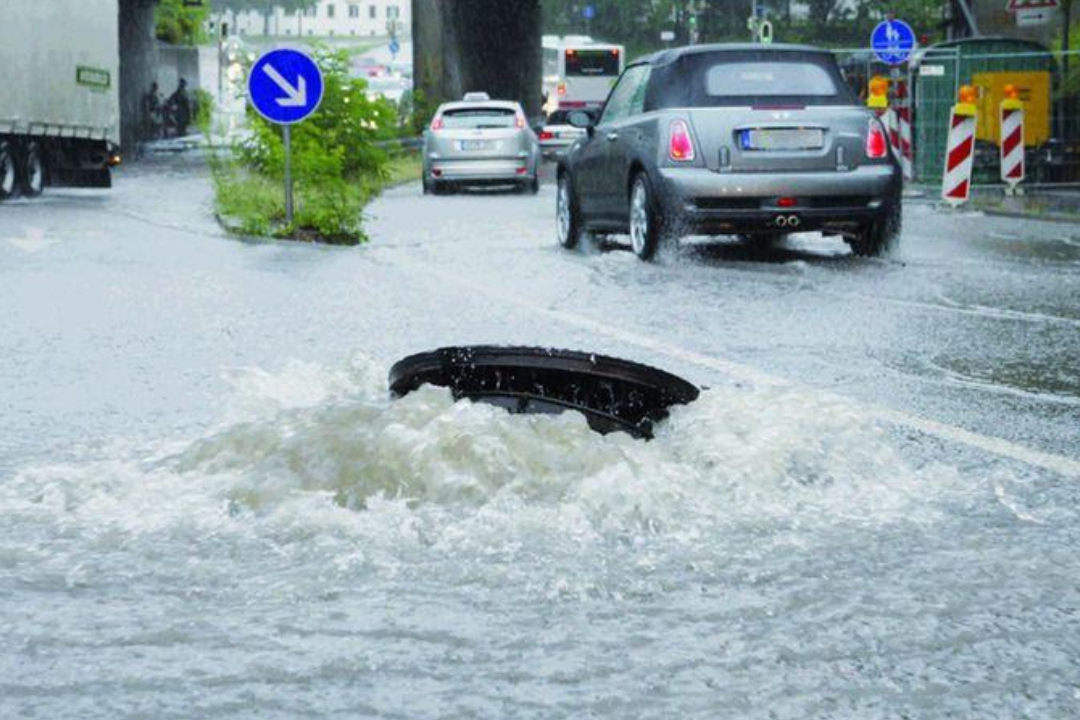
Poor infrastructure often increases the cost of doing business. Damaged roads, inadequate drainage, traffic congestion, and inefficient transportation networks can lead to vehicle damage, fuel wastage, delivery delays, and higher operating expenses.
Businesses may have to spend more money maintaining vehicles, transporting goods, and managing unexpected delays.
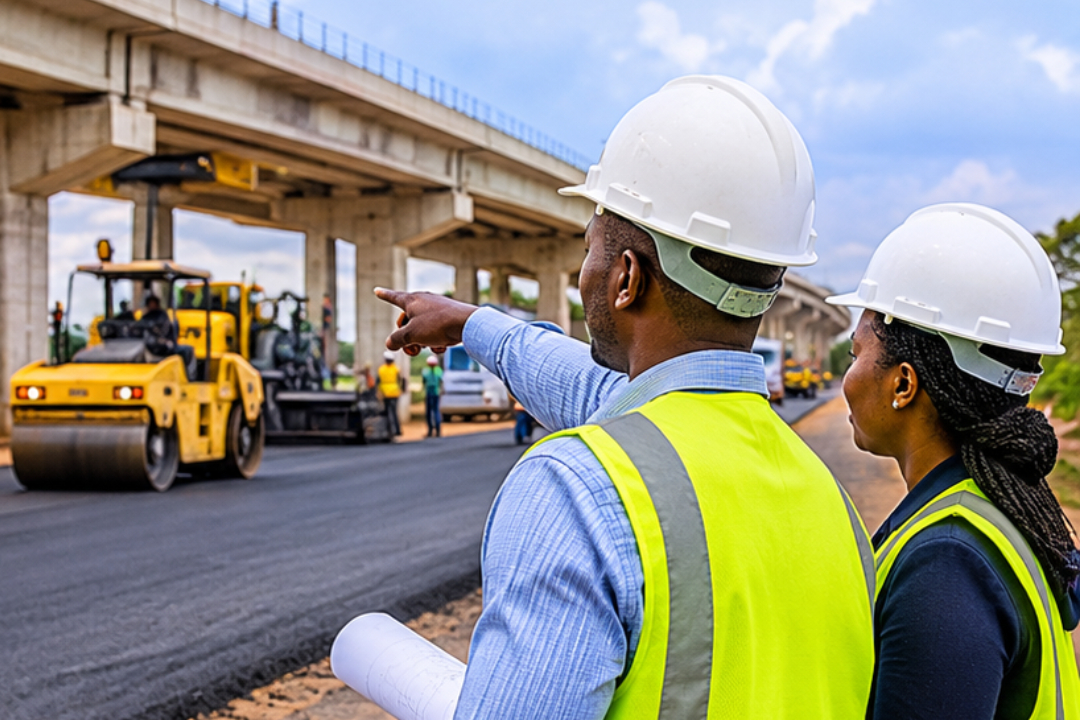
Good infrastructure helps reduce these challenges by providing safer and more reliable transportation routes. Proper road construction, effective drainage systems, well-designed intersections, and regular maintenance all contribute to smoother transportation.
When transportation costs decrease, businesses can improve their operations, manage expenses more effectively, and potentially offer more competitive prices to customers.
3. Connecting Rural Communities to Major Markets
Infrastructure development is not only important for major cities and commercial centres. Rural communities also depend on reliable transportation networks to participate in economic activities.
Many agricultural communities produce food and raw materials that supply larger towns and cities. However, without accessible roads and dependable transport links, moving these products to market can become difficult.
Developing rural roads and connecting them to major highways helps farmers, small businesses, and local producers reach new customers. It also encourages investment in areas that may previously have been difficult to access.
Improved connectivity creates opportunities for rural economic development while strengthening the relationship between agricultural production centres and urban markets.
4. Supporting Trade Through Ports, Airports, and Railways
Roads are essential to transportation, but other infrastructure systems also play important roles in trade.
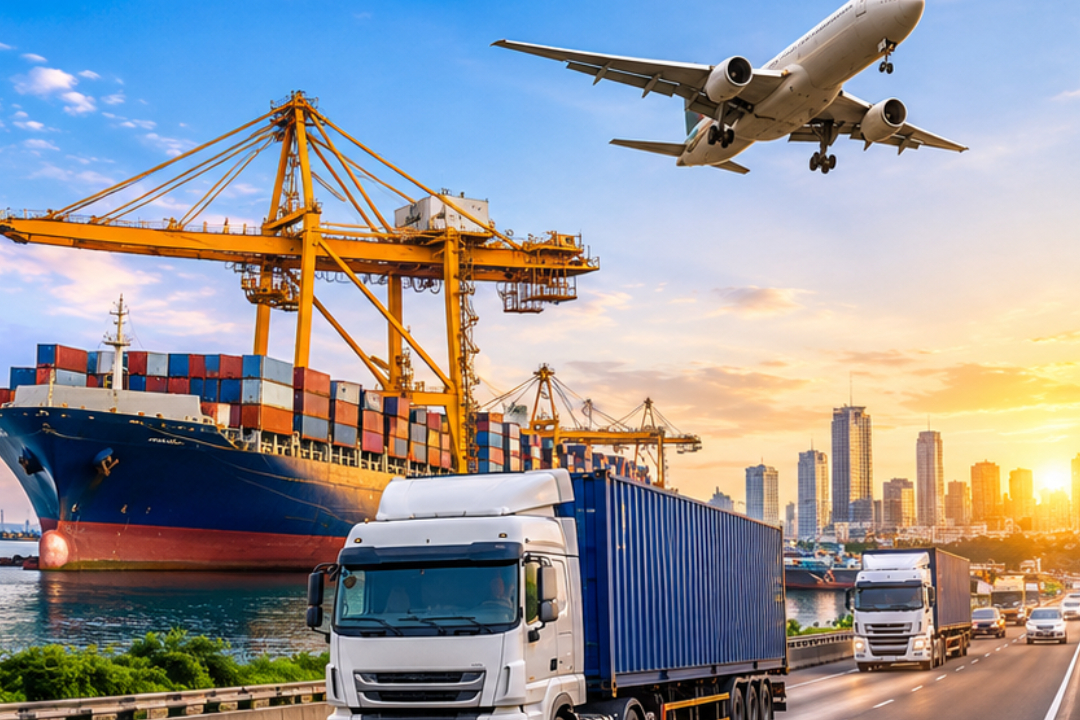
Seaports provide access to international markets by supporting the import and export of goods. Airports facilitate the movement of passengers and time-sensitive cargo, while railways can transport large volumes of goods over long distances.
These transportation systems work best when they are properly connected. For example, an efficient road network linking industrial areas, warehouses, and seaports helps goods move smoothly through the supply chain.
Investing in integrated transportation infrastructure can improve logistics, support international trade, and strengthen a country’s ability to compete in regional and global markets.
5. Encouraging Business Growth and Investment
Reliable infrastructure makes locations more attractive to businesses and investors.
Companies are more likely to establish operations in areas where they can access dependable roads, electricity, water supply, communication networks, and efficient transportation systems.
For manufacturers, good infrastructure supports the movement of raw materials and finished products. For retailers, it improves distribution and access to customers. For construction and industrial businesses, it makes transporting equipment and materials easier.
Infrastructure investment can therefore stimulate economic activity, create employment opportunities, and encourage the development of new commercial centres.
6. Improving Safety and Transportation Efficiency
Transportation infrastructure must do more than connect locations. It must also protect the people who use it.
Properly designed roads, stable bridges, road markings, street lighting, pedestrian walkways, traffic signs, and functional drainage systems all contribute to safer transportation.
Poor road conditions can increase the risk of accidents, damage vehicles, and disrupt the movement of goods and people. Similarly, inadequate drainage can cause flooding, weaken road foundations, and shorten pavement lifespan.
Good engineering design, quality construction materials, proper supervision, and regular maintenance help ensure that transportation infrastructure remains safe, functional, and durable.
7. Strengthening Economic Development Through Sustainable Infrastructure
Infrastructure should be designed with both present and future needs in mind.
As populations grow and commercial activities expand, transportation networks experience increasing pressure. Roads, bridges, drainage systems, and other public facilities must therefore be planned to accommodate future demand.
Sustainable infrastructure development considers durability, environmental impact, efficient land use, climate conditions, and long-term maintenance requirements.
For example, effective drainage design can help protect roads against erosion and flooding, while durable pavement construction can reduce the frequency of costly repairs.
By focusing on quality and long-term performance, infrastructure projects can deliver greater value to communities, businesses, and the wider economy.
Conclusion
Infrastructure is one of the foundations of efficient trade and transportation. Well-developed roads, bridges, railways, ports, airports, and supporting facilities make it easier to move goods, connect communities, reduce business costs, and create opportunities for economic growth.
For countries like Nigeria, continuous investment in reliable transportation infrastructure is essential to strengthening local commerce, improving logistics, and supporting national development.
At Heaven’s Gate Engineering & Construction Ltd., we understand that quality infrastructure begins with proper planning, sound engineering, and careful project execution. From road construction to civil engineering and infrastructure development, every project contributes to building stronger connections and supporting economic progress.
Planning a road, building, or infrastructure project? Let’s work together to turn your vision into reality.
📞 Call: +234 816 819 1194
💬 WhatsApp: +234 805 207 3547
📧 Email: info@heavensgate.com.co
🌐 Website: https://www.heavensgateengineering.com.ng/