Designing Drainage for High Rainfall Zones: Best Practices for Flood-Resilient Infrastructure
Designing Drainage for High Rainfall Zones
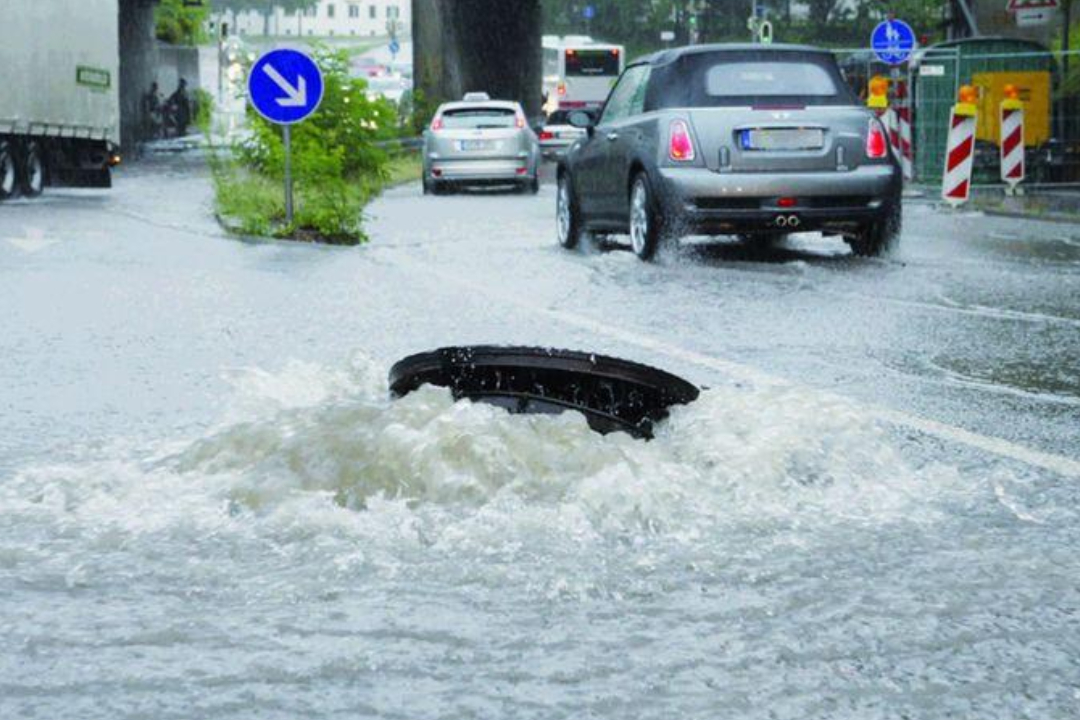
Heavy rainfall presents one of the greatest challenges to infrastructure development. In regions that experience frequent storms and intense downpours, poorly designed drainage systems can lead to flooding, soil erosion, foundation damage, road deterioration, and costly repairs. As climate patterns continue to change, engineers and construction professionals must design drainage systems that can effectively manage increasing volumes of stormwater while protecting communities and infrastructure.
Designing drainage for high rainfall zones is more than simply directing water away from buildings. It involves understanding rainfall patterns, soil characteristics, topography, runoff behavior, and environmental sustainability. A well-designed drainage system not only protects structures but also improves public safety, extends the lifespan of infrastructure, and reduces long-term maintenance costs.
At Heaven’s Gate Engineering and Construction, we recognize that effective drainage planning is an essential part of every successful construction project.
Why Drainage Design Matters
Water is one of the most destructive natural forces affecting buildings and infrastructure. Without proper drainage, excessive rainfall can compromise structural integrity and create significant environmental and economic challenges.
Poor drainage can result in:
- Flooded buildings and roads
- Foundation settlement and structural damage
- Soil erosion
- Pavement deterioration
- Landslides on sloped terrain
- Blocked drainage channels
- Damage to utilities
- Increased maintenance and repair costs
An efficient drainage system minimizes these risks while ensuring that stormwater is safely collected, conveyed, and discharged.
Understanding High Rainfall Zones
High rainfall zones are areas that receive substantial annual precipitation or experience frequent heavy storms. These regions require drainage systems capable of handling large volumes of runoff within short periods.
Before designing a drainage system, engineers evaluate:
- Historical rainfall data
- Peak storm intensity
- Flood history
- Soil permeability
- Groundwater levels
- Existing drainage infrastructure
- Land slope and topography
- Future urban development
These assessments help determine the capacity and layout of the drainage network.
Key Principles of Effective Drainage Design

1. Conduct a Comprehensive Site Assessment
Every successful drainage system begins with a detailed site investigation. Engineers study the natural landscape, identify water flow paths, and evaluate soil conditions to develop solutions tailored to the site’s unique characteristics.
A thorough assessment helps reduce design errors and ensures efficient water management.
2. Design for Peak Rainfall Events
Drainage systems should be designed to accommodate not only average rainfall but also extreme weather events. Oversized or adequately sized drainage channels, culverts, and stormwater pipes help prevent overflow during intense storms.
Planning for future climate variability also improves long-term resilience.
3. Incorporate Sustainable Drainage Systems (SuDS)
Modern drainage design increasingly incorporates Sustainable Drainage Systems (SuDS), which mimic natural water management processes.
Examples include:
- Bioswales
- Rain gardens
- Permeable pavements
- Infiltration trenches
- Retention ponds
- Detention basins
- Green roofs
These systems reduce runoff, improve water quality, and promote groundwater recharge while enhancing urban landscapes.
4. Ensure Proper Surface Grading
Surface grading directs water away from buildings, roads, and other structures. Even slight slopes can significantly improve drainage efficiency by preventing water from pooling around foundations.
Proper grading also reduces the likelihood of erosion and water infiltration.
5. Install Adequate Stormwater Infrastructure
Stormwater infrastructure is the backbone of any drainage system. Key components include:
- Storm drains
- Catch basins
- Culverts
- Open drainage channels
- Underground pipe networks
- Inspection chambers
- Outlet structures
Each component must be designed to handle expected water volumes while remaining easy to inspect and maintain.
6. Protect Against Soil Erosion
Fast-moving water can wash away soil, destabilize slopes, and damage nearby infrastructure. Erosion control measures should be integrated into drainage designs using:
- Riprap
- Gabion walls
- Geotextiles
- Vegetative cover
- Retaining structures
- Energy dissipators
These measures help preserve soil stability and extend the lifespan of drainage systems.
7. Plan for Regular Maintenance
Even the best-designed drainage system requires routine maintenance.
Maintenance activities include:
- Clearing debris from drains
- Removing sediment buildup
- Inspecting culverts and pipes
- Repairing damaged channels
- Maintaining vegetation around drainage systems
Preventive maintenance ensures continuous performance and reduces emergency repair costs.
Challenges in High Rainfall Areas

Designing drainage systems in regions with heavy rainfall presents several engineering challenges:
Rapid Urbanization
Urban development replaces natural vegetation with impervious surfaces such as roads, parking lots, and buildings. This increases surface runoff and places greater demands on drainage infrastructure.
Climate Change
More frequent and intense rainfall events require engineers to design adaptable systems that can withstand changing weather patterns.
Poor Maintenance
Blocked drains and neglected drainage channels are common causes of urban flooding. Routine inspection and cleaning are essential for maintaining system efficiency.
Limited Space
In densely populated urban areas, engineers often have limited space for large drainage structures. Innovative underground systems and compact sustainable drainage solutions help overcome these constraints.
Best Practices for Flood-Resilient Infrastructure
Successful drainage design should include:
- Early drainage planning during project design
- Accurate hydrological and hydraulic analysis
- Adequate drainage capacity
- Sustainable stormwater management techniques
- Erosion protection measures
- Regular inspections and maintenance
- Compliance with local engineering standards and environmental regulations
These practices reduce flood risks and improve infrastructure resilience.
The Role of Technology
Modern engineering technologies are transforming drainage design.
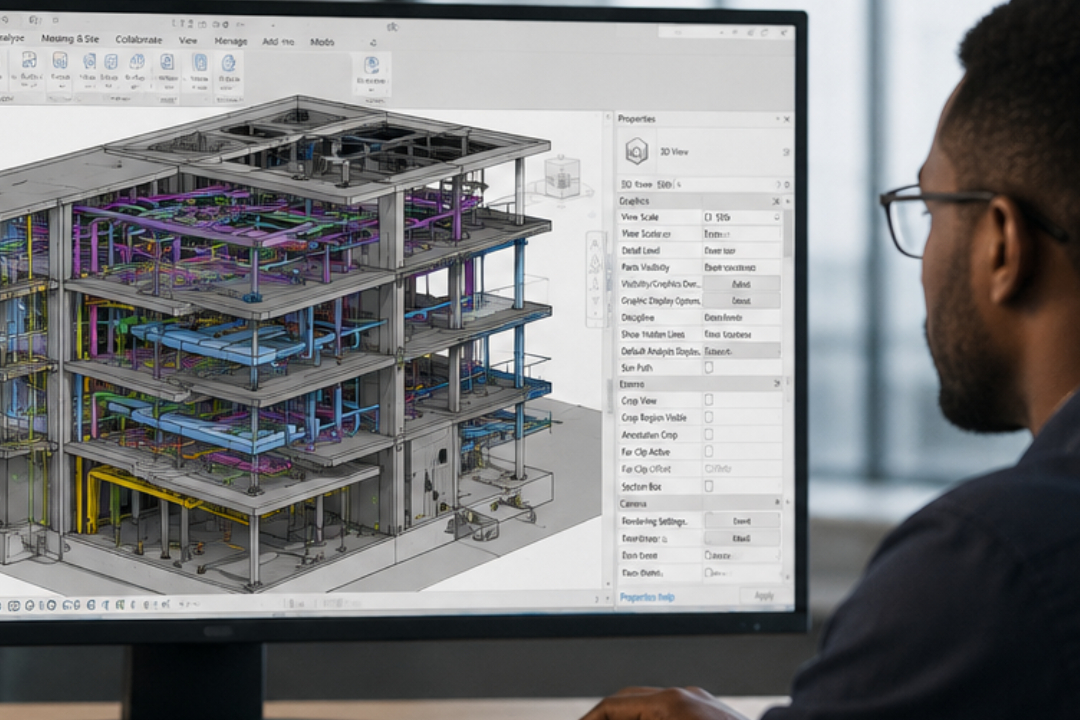
Building Information Modeling (BIM)
BIM enables engineers to coordinate drainage networks with other infrastructure systems, reducing design conflicts and improving project efficiency.
Geographic Information Systems (GIS)
GIS helps analyze terrain, watershed characteristics, and drainage patterns, enabling more informed planning decisions.
Hydraulic Modeling Software
Advanced simulation tools predict stormwater behavior under various rainfall scenarios, allowing engineers to optimize drainage designs before construction begins.
Conclusion
Effective drainage design is essential for protecting buildings, roads, and communities in high rainfall zones. By combining detailed site assessments, sustainable drainage practices, advanced engineering technologies, and proactive maintenance, construction professionals can create resilient infrastructure that withstands extreme weather while minimizing environmental impact.
At Heaven’s Gate Engineering and Construction, we integrate innovative drainage solutions into every project to ensure long-lasting performance, structural safety, and sustainable development. Our commitment to engineering excellence helps clients build infrastructure that remains reliable even in the most challenging weather conditions.
Designing Drainage for High Rainfall Zones, Stormwater Management, Drainage System Design, Sustainable Drainage Systems, Civil Engineering, Flood Prevention, Infrastructure Development, Drainage Engineering, Urban Drainage, Construction Best Practices