Cost Benefits of Preventive Maintenance in Construction and Infrastructure
Preventive maintenance is one of the most cost-effective strategies in construction and infrastructure management. While many property owners and project managers focus on building new structures, the real financial advantage lies in maintaining existing infrastructure before problems occur.
Preventive maintenance helps extend the lifespan of buildings, roads, drainage systems, and structural assets while significantly reducing long-term repair costs. In this article, we explore the cost benefits of preventive maintenance, why it matters in construction, and how it improves infrastructure sustainability.
What Is Preventive Maintenance?
Preventive maintenance refers to routine inspection, servicing, and repair of structures and infrastructure to prevent major failures before they occur.
Instead of waiting for damage to happen, preventive maintenance focuses on:
- Early problem detection
- Scheduled inspections
- Timely repairs
- Continuous monitoring
This approach helps avoid emergency repairs, unexpected downtime, and costly structural failures.
Why Preventive Maintenance Matters in Construction
Infrastructure assets such as roads, bridges, drainage systems, and buildings are exposed to:
- Weather conditions
- Heavy traffic loads
- Soil movement
- Environmental wear and tear
Without regular maintenance, small defects can quickly develop into major structural problems.
Preventive maintenance ensures infrastructure remains safe, functional, and cost-efficient throughout its lifecycle.
Major Cost Benefits of Preventive Maintenance
1. Reduced Repair and Replacement Costs
One of the biggest financial advantages of preventive maintenance is the reduction in major repair expenses.
Small problems such as:
- Minor cracks in concrete
- Blocked drainage systems
- Early corrosion of steel
- Surface wear on roads
can be fixed quickly and at low cost.
If ignored, these issues can escalate into:
- Structural failure
- Road reconstruction
- Building rehabilitation
- Expensive emergency repairs
Studies consistently show that preventive maintenance costs far less than reactive repairs.
2. Extended Lifespan of Infrastructure
Regular maintenance significantly increases the service life of:
- Buildings
- Roads and highways
- Bridges
- Drainage systems
- Water infrastructure
For example:
- A well-maintained road can last 20–30 years.
- Poorly maintained roads may fail in less than 10 years.
Extending infrastructure lifespan reduces the need for early replacement, saving millions in construction costs.
3. Lower Emergency Repair Costs
Emergency repairs are often:
- Urgent
- Expensive
- Disruptive
They may require night work, rapid material procurement, and immediate labor mobilization.
Preventive maintenance reduces the likelihood of emergencies, allowing repairs to be planned and budgeted in advance.
4. Improved Budget Planning and Cost Control
Preventive maintenance allows organizations to predict future maintenance costs accurately.
Instead of unexpected expenses, companies can:
- Create maintenance schedules
- Allocate annual budgets
- Plan resource utilization
This leads to better financial planning and reduced budget overruns.
5. Reduced Operational Downtime
Infrastructure failure can disrupt operations and cause significant economic losses.
Examples include:
- Road closures affecting transportation
- Building failures disrupting businesses
- Drainage failures causing flooding
Routine maintenance keeps infrastructure operational and minimizes downtime.
6. Enhanced Safety and Risk Reduction
Poorly maintained infrastructure poses serious safety risks, including:
- Road accidents from potholes
- Structural collapse risks
- Flooding due to blocked drainage
Preventive maintenance helps ensure compliance with safety standards and reduces liability risks.
7. Increased Property and Asset Value
Well-maintained buildings and infrastructure retain higher value.
Preventive maintenance:
- Preserves structural integrity
- Improves appearance
- Enhances reliability
This increases property value and reduces depreciation over time.
8. Improved Sustainability and Environmental Benefits
Preventive maintenance supports sustainable construction by:
- Reducing material waste
- Minimizing reconstruction needs
- Lowering carbon footprint
Maintaining existing infrastructure is more environmentally friendly than rebuilding damaged structures.
9. Better Performance and Efficiency
Infrastructure performs better when properly maintained:
- Roads provide smoother travel
- Drainage systems function effectively
- Buildings remain energy efficient
This improves user experience and operational efficiency.
Preventive Maintenance Examples in Construction
Road Maintenance
- Crack sealing
- Surface resurfacing
- Drainage cleaning
Building Maintenance
- Structural inspections
- Roof repairs
- Waterproofing
Drainage Maintenance
- Debris removal
- Channel repairs
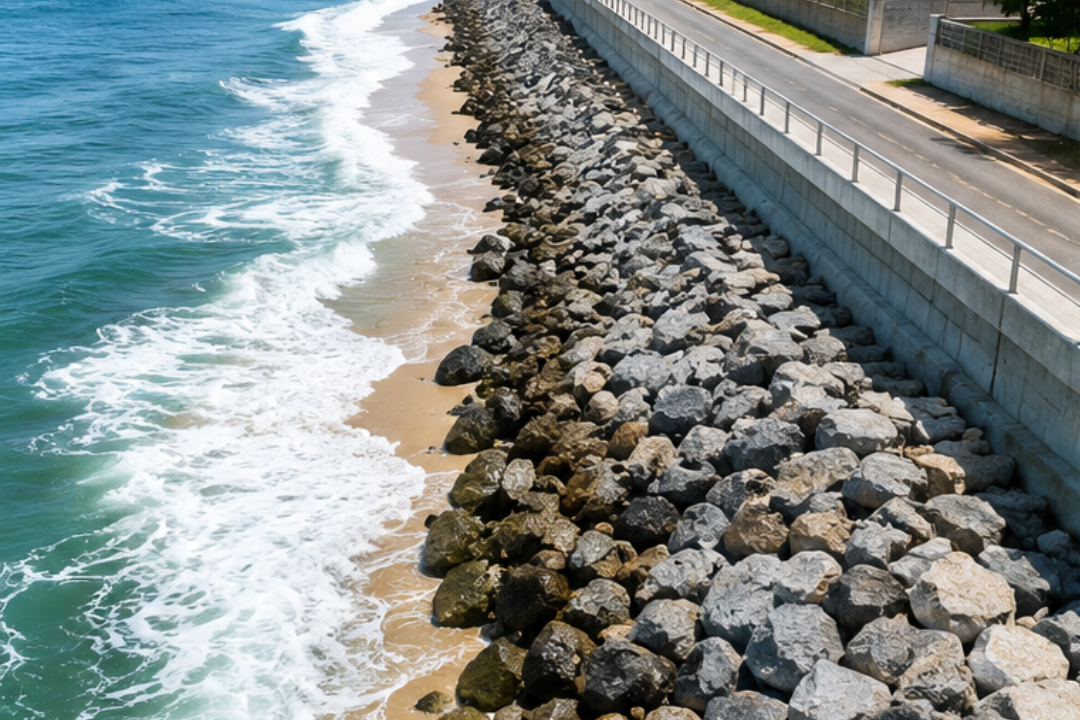
- Erosion control
These simple activities prevent costly infrastructure failure.
Preventive vs Reactive Maintenance: Cost Comparison
| Maintenance Type | Cost Level | Risk Level | Long-Term Impact |
|---|---|---|---|
| Reactive Maintenance | Very High | High | Short lifespan |
| Preventive Maintenance | Low–Moderate | Low | Long lifespan |
Preventive maintenance clearly offers better financial returns over time.
Why Work with Professional Engineers?
Professional engineering companies provide:
- Structured maintenance plans
- Routine inspections
- Quality repair solutions
- Long-term asset management
This ensures infrastructure remains safe, reliable, and cost-efficient.