Climate Change and Infrastructure Resilience: Building for a Changing Future
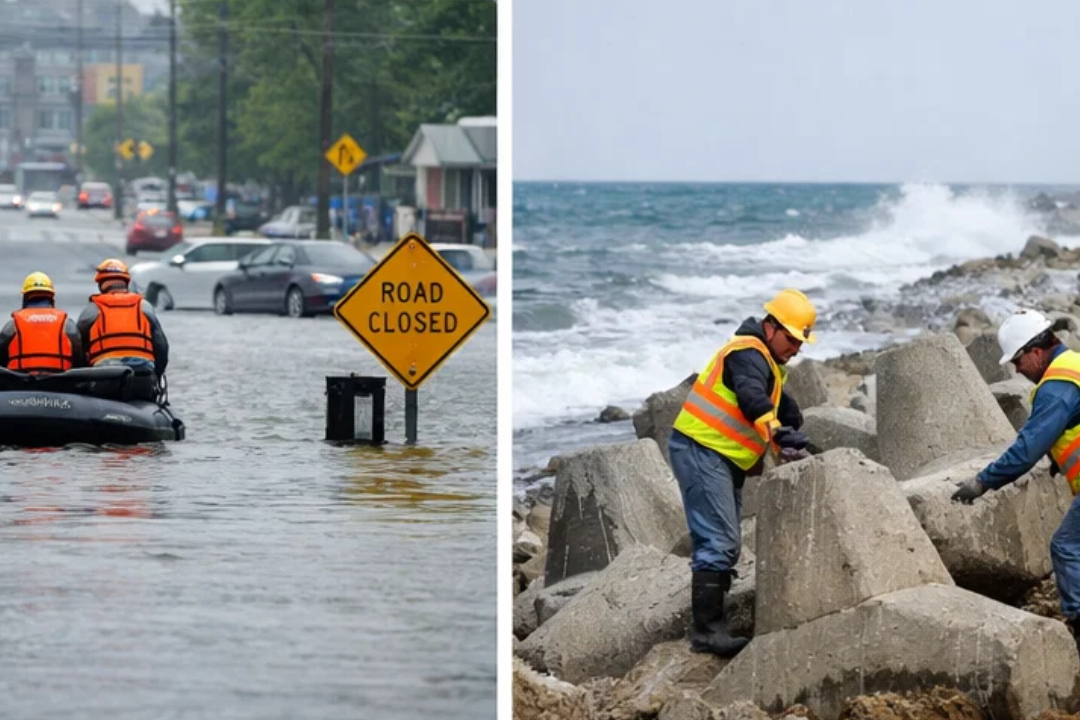
Climate change is no longer a distant environmental concern — it is a present-day engineering challenge. Rising temperatures, extreme rainfall, flooding, coastal erosion, and heat waves are placing enormous pressure on roads, bridges, drainage systems, and buildings worldwide.
To address these challenges, engineers are focusing on climate-resilient infrastructure — infrastructure designed to withstand, adapt to, and recover quickly from climate-related stresses.
This article explores how climate change affects infrastructure and how resilient engineering solutions can protect communities and investments.
What Is Infrastructure Resilience?
Infrastructure resilience refers to the ability of infrastructure systems to:
- Withstand climate-related hazards
- Adapt to changing environmental conditions
- Recover quickly after disruptions
Resilient infrastructure is designed not only to survive extreme events but also to maintain functionality during and after them.
How Climate Change Is Affecting Infrastructure
Climate change is increasing the frequency and severity of extreme weather events. These environmental changes directly impact construction and infrastructure projects.
Key Climate Threats to Infrastructure
1. Increased Flooding
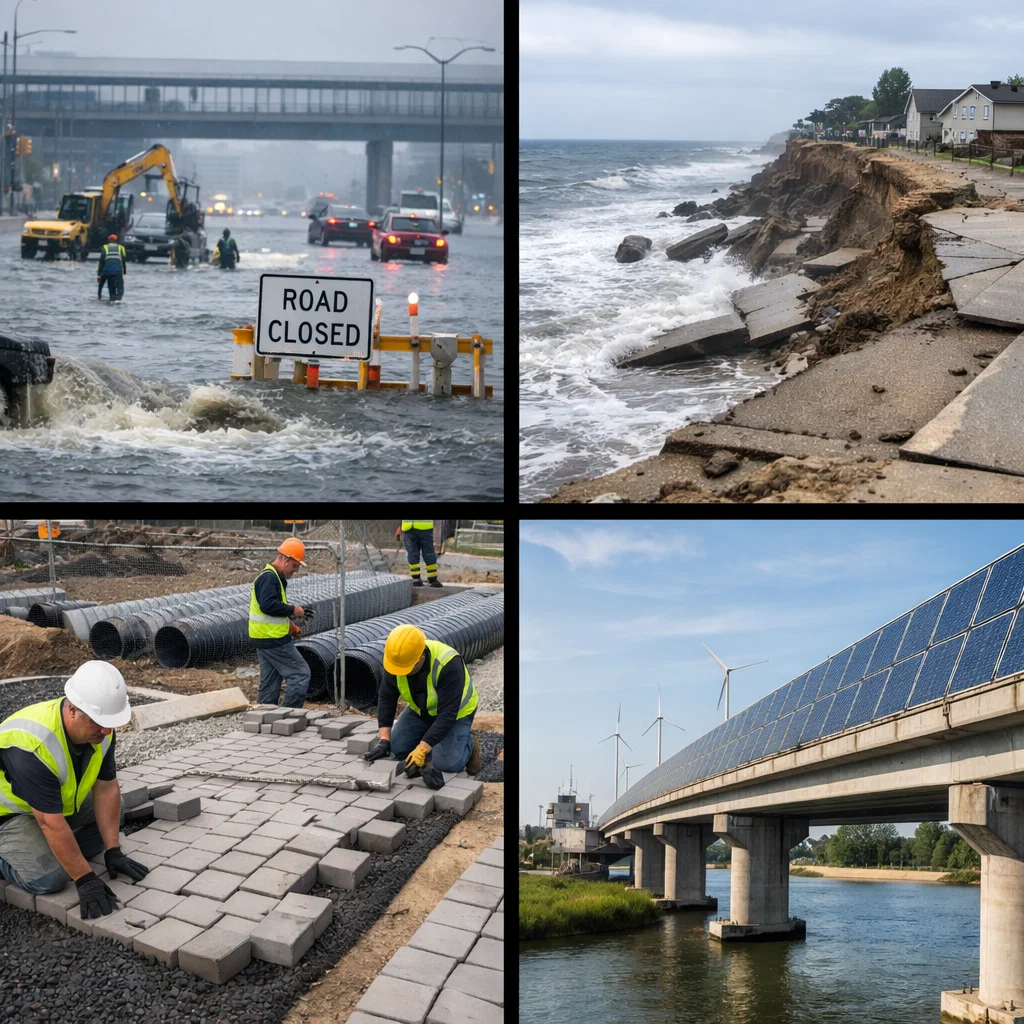
Heavy rainfall and poor drainage cause flooding that damages roads, buildings, and bridges.
2. Rising Temperatures
High temperatures soften asphalt roads, expand concrete structures, and reduce material lifespan.
3. Coastal Erosion and Sea-Level Rise
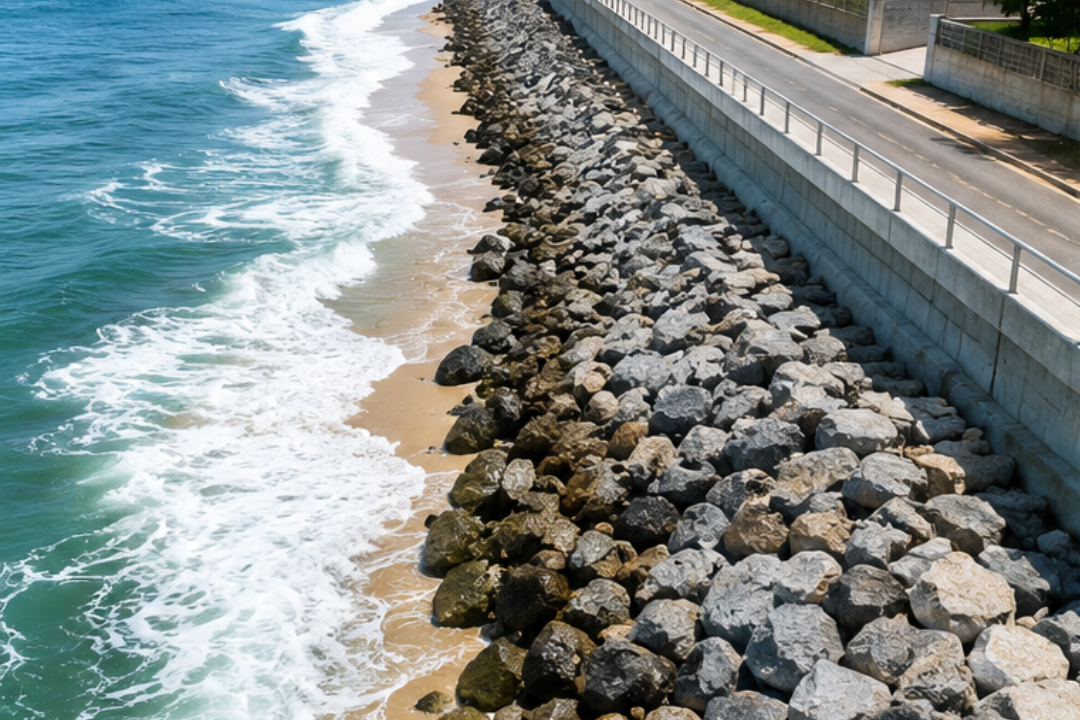
Coastal infrastructure faces erosion, saltwater intrusion, and foundation instability.
4. Stronger Storms and Wind Loads
Extreme weather increases structural stress on buildings and bridges.
5. Drought and Soil Instability
Dry conditions cause soil shrinkage and ground movement, affecting foundations.
Why Climate-Resilient Infrastructure Matters
Climate change can significantly increase infrastructure maintenance costs and shorten asset lifespan. Without resilient design, infrastructure becomes vulnerable to:
- Frequent repairs
- Early structural failure
- Economic losses
- Safety risks
- Service disruption
Investing in resilience today reduces long-term financial and environmental risks.
Key Principles of Climate-Resilient Engineering
1. Designing for Extreme Weather Events
Modern infrastructure must account for worst-case scenarios, including:
- Intense rainfall events
- Extreme temperature fluctuations
- Strong wind loads
Engineers now design drainage capacity, structural strength, and material performance to handle future climate projections.
2. Improved Drainage and Flood Management
Flooding is one of the biggest infrastructure threats in many regions.
Resilient drainage design includes:
- Larger drainage channels
- Stormwater retention systems
- Flood-resistant road design
- Elevated structures in flood-prone areas
Effective water management protects both infrastructure and communities.
3. Use of Climate-Resilient Construction Materials
Material selection plays a critical role in infrastructure durability.
Examples include:
- High-performance concrete resistant to moisture and heat
- Corrosion-resistant steel reinforcement
- Permeable pavement systems
- Heat-resistant asphalt mixtures
These materials increase durability and reduce maintenance costs.
4. Smart Urban Planning and Land Use
Resilient infrastructure begins with proper planning. Engineers and planners must consider:
- Flood-prone zones
- Coastal risk areas
- Soil stability
- Population growth
Strategic land use reduces vulnerability and improves long-term sustainability.
5. Redundant and Flexible Infrastructure Systems
Resilient infrastructure includes backup systems and alternative routes to ensure continuity during disruptions.
Examples:
- Multiple drainage pathways
- Alternative road networks
- Backup power systems
This ensures communities remain functional during emergencies.
Climate Change and Infrastructure in Nigeria
Nigeria faces several climate-related infrastructure challenges, including:
- Seasonal flooding in urban areas
- Coastal erosion in coastal states
- Extreme heat affecting road surfaces
- Rapid urbanization increasing drainage pressure
Climate-resilient engineering is essential for sustainable development and long-term infrastructure performance in Nigeria.
Economic Benefits of Climate-Resilient Infrastructure
Investing in resilience provides significant financial benefits:
- Reduced maintenance costs
- Longer infrastructure lifespan
- Lower disaster recovery expenses
- Improved public safety
- Increased investor confidence
Studies show that every dollar invested in resilience saves multiple dollars in future repair and recovery costs.
Role of Engineering Companies in Building Resilient Infrastructure
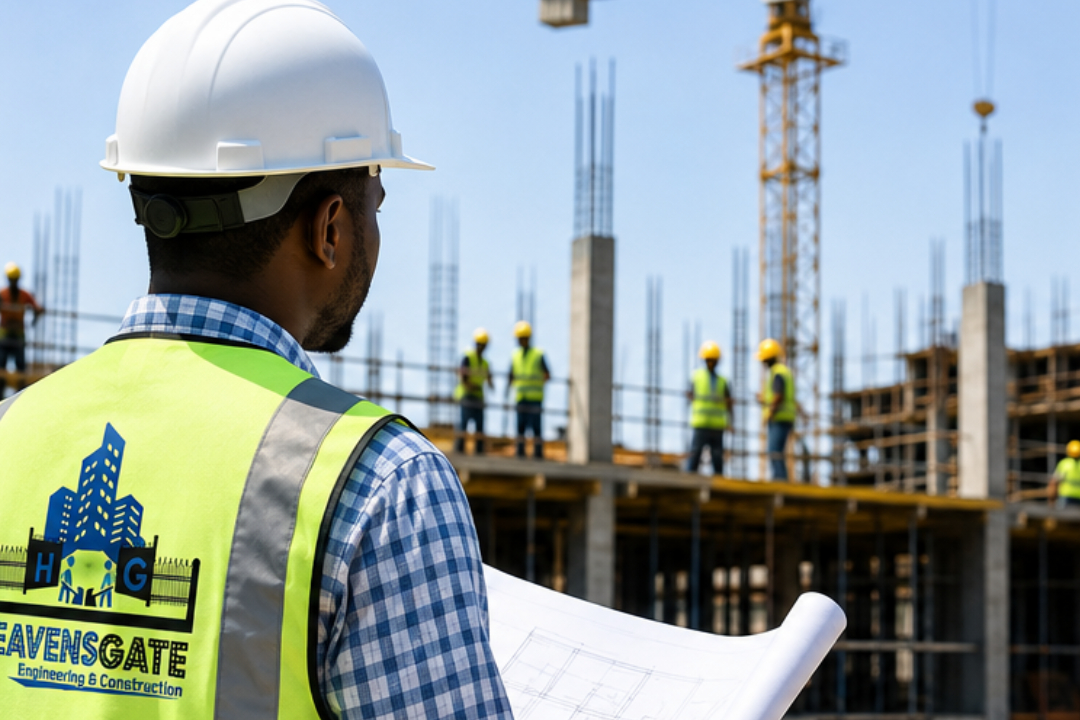
Professional engineering firms play a crucial role in:
- Conducting climate risk assessments
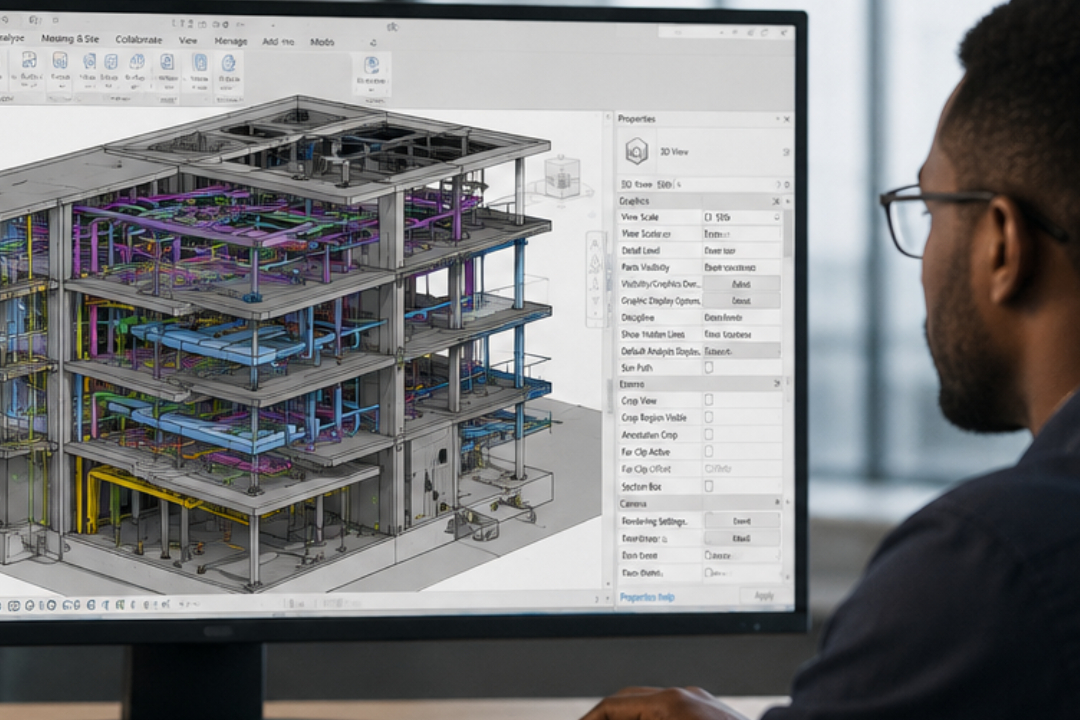
- Designing resilient infrastructure systems
- Implementing sustainable construction practices
- Delivering long-term maintenance strategies
Engineering expertise ensures infrastructure can withstand environmental challenges for decades.
Future of Climate-Resilient Infrastructure
The future of civil engineering will focus on:
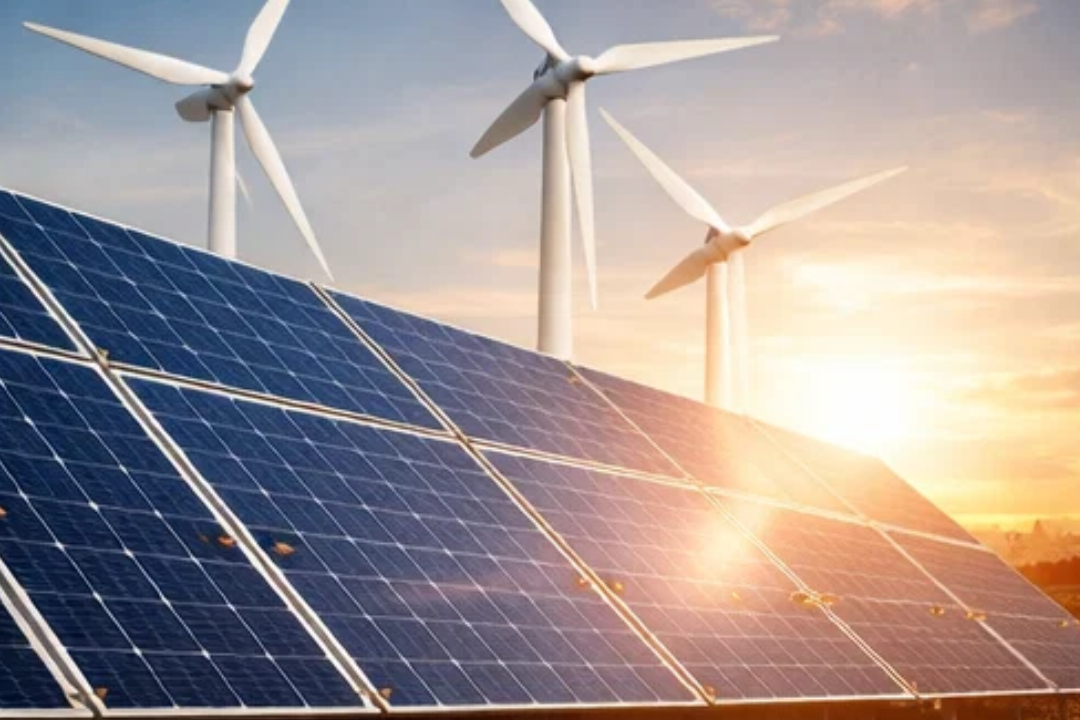
- Green infrastructure solutions
- Smart cities and digital monitoring
- Sustainable materials and construction methods
- Climate-adaptive design standards
Resilience is becoming a core requirement in modern infrastructure development.