How Engineers Ensure Bridge Safety in Nigeria
How Engineers Ensure Bridge Safety
Bridges are among the most important components of modern infrastructure. They connect cities, support economic growth, improve transportation networks, and allow the safe movement of millions of people and vehicles every day. Whether spanning rivers, valleys, highways, or railways, bridges must withstand enormous loads, harsh weather conditions, environmental impacts, and decades of continuous use.
Because bridges are critical public assets, ensuring their safety is one of the highest priorities in civil and structural engineering. A bridge failure can result in significant economic losses, environmental damage, and, most importantly, the loss of human life. This is why engineers follow rigorous design standards, conduct detailed inspections, use advanced technologies, and implement comprehensive maintenance programs throughout a bridge’s lifespan.
At Heaven’s Gate Engineering and Construction, bridge safety is achieved through meticulous planning, precision engineering, quality construction practices, and continuous monitoring to ensure long-lasting and resilient infrastructure.
Why Bridge Safety Matters
Bridges experience constant stress from:
- Heavy traffic
- Dynamic vehicle loads
- Wind forces
- Earthquakes
- Flooding
- Temperature changes
- Material aging
- Corrosion
- Fatigue from repeated loading
Without proper engineering and maintenance, these factors can gradually weaken a bridge and reduce its ability to safely carry traffic.
Bridge safety protects:
- Human lives
- Transportation networks
- Economic activities
- Public investments
- Emergency response routes
- National infrastructure
Ensuring structural integrity is therefore essential for sustainable development.
The Bridge Design Process
Bridge safety begins long before construction starts.
Professional engineers perform extensive studies to understand every condition affecting the proposed bridge.
These studies include:
- Topographic surveys
- Geotechnical investigations
- Soil testing
- Hydrological studies
- Environmental assessments
- Traffic analysis
- Wind studies
- Seismic assessments
The information gathered forms the basis for selecting the safest and most efficient bridge design.

Choosing the Right Bridge Type
Different projects require different bridge designs.
Engineers select bridge types based on:
- Span length
- Soil conditions
- Traffic volume
- Available budget
- Environmental factors
- Construction methods
Common bridge types include:
Beam Bridges
Suitable for short spans and relatively simple construction.
Arch Bridges
Excellent for carrying heavy loads while providing aesthetic appeal.
Truss Bridges
Efficient for long spans because they distribute loads effectively.
Suspension Bridges
Ideal for very long spans across wide rivers and waterways.
Cable-Stayed Bridges
Popular for modern infrastructure because they combine strength with architectural elegance.
Selecting the appropriate bridge type greatly improves structural performance and long-term safety.
Structural Analysis and Engineering Calculations
One of the most important stages in bridge engineering is structural analysis.
Engineers calculate how the bridge will respond to various forces, including:
- Dead loads (bridge self-weight)
- Live loads (vehicles and pedestrians)
- Wind loads
- Earthquake forces
- Thermal expansion
- Flood impacts
- Braking forces
- Impact loads
Using advanced engineering software, thousands of structural scenarios are analyzed before construction begins.
This ensures that every component can safely withstand expected loading conditions.
High-Quality Construction Materials
The durability of a bridge depends heavily on the quality of its materials.
Engineers carefully specify materials that provide high strength and long service life.
Common materials include:
Reinforced Concrete
Provides excellent compressive strength and durability.
Prestressed Concrete
Improves load-carrying capacity while reducing cracking.
Structural Steel
Offers high tensile strength and flexibility for long-span bridges.
Composite Materials
Increasingly used because they resist corrosion and require less maintenance.
Each material undergoes rigorous testing before being approved for construction.
Foundation Design
Even the strongest bridge cannot perform safely without a stable foundation.
Bridge foundations transfer structural loads into the ground.
Depending on site conditions, engineers may use:
- Spread footings
- Raft foundations
- Pile foundations
- Caissons
- Drilled shafts
Extensive geotechnical investigations determine the most suitable foundation system.
Proper foundation design minimizes settlement and protects the bridge against movement.
Quality Control During Construction
Bridge safety depends on construction quality as much as design quality.
Throughout construction, engineers monitor:
- Reinforcement placement
- Concrete strength
- Steel fabrication
- Welding quality
- Alignment
- Dimensions
- Material certifications
- Structural connections
Continuous inspections ensure every component complies with engineering specifications.
Load Testing Before Opening
Before a bridge is opened to the public, engineers often conduct load testing.
Heavy vehicles or specialized equipment are placed on the bridge while sensors monitor:
- Deflection
- Stress distribution
- Vibration
- Structural movement
These tests confirm that the bridge performs exactly as predicted during design.
Regular Bridge Inspections
Bridge safety does not end after construction.
Routine inspections are essential for identifying defects before they become serious.
Engineers inspect:
- Deck surfaces
- Expansion joints
- Bearings
- Piers
- Abutments
- Steel members
- Concrete elements
- Drainage systems
- Protective coatings
Minor issues detected early can be repaired before they require expensive rehabilitation.
Structural Health Monitoring
Modern bridges increasingly use smart monitoring technologies.
Sensors installed throughout the structure continuously measure:
- Vibration
- Strain
- Temperature
- Structural displacement
- Traffic loads
- Crack development
- Wind effects
These systems provide real-time information, allowing engineers to identify problems long before they become visible.
Predictive maintenance improves safety while reducing repair costs.

Corrosion Protection
Corrosion is one of the leading causes of bridge deterioration.
Engineers reduce corrosion through:
- Protective coatings
- Galvanized steel
- Waterproof membranes
- Proper drainage
- Cathodic protection systems
- High-performance concrete
Preventing corrosion significantly extends bridge lifespan.
Earthquake and Wind Resistance
In regions susceptible to earthquakes or high winds, bridges are designed with additional protective measures.
These include:
- Seismic bearings
- Energy dissipaters
- Flexible joints
- Wind-resistant deck profiles
- Shock absorbers
- Expansion systems
These features allow bridges to safely accommodate movement during extreme events.
Preventive Maintenance
Routine maintenance is one of the most cost-effective methods of ensuring bridge safety.
Typical maintenance activities include:
- Cleaning drainage channels
- Repairing concrete cracks
- Repainting steel structures
- Replacing expansion joints
- Lubricating bearings
- Removing debris
- Inspecting foundations
- Resurfacing bridge decks
Preventive maintenance minimizes deterioration and prolongs service life.
The Role of Modern Technology
Today’s bridge engineers rely on advanced technologies to improve safety and efficiency.
These include:
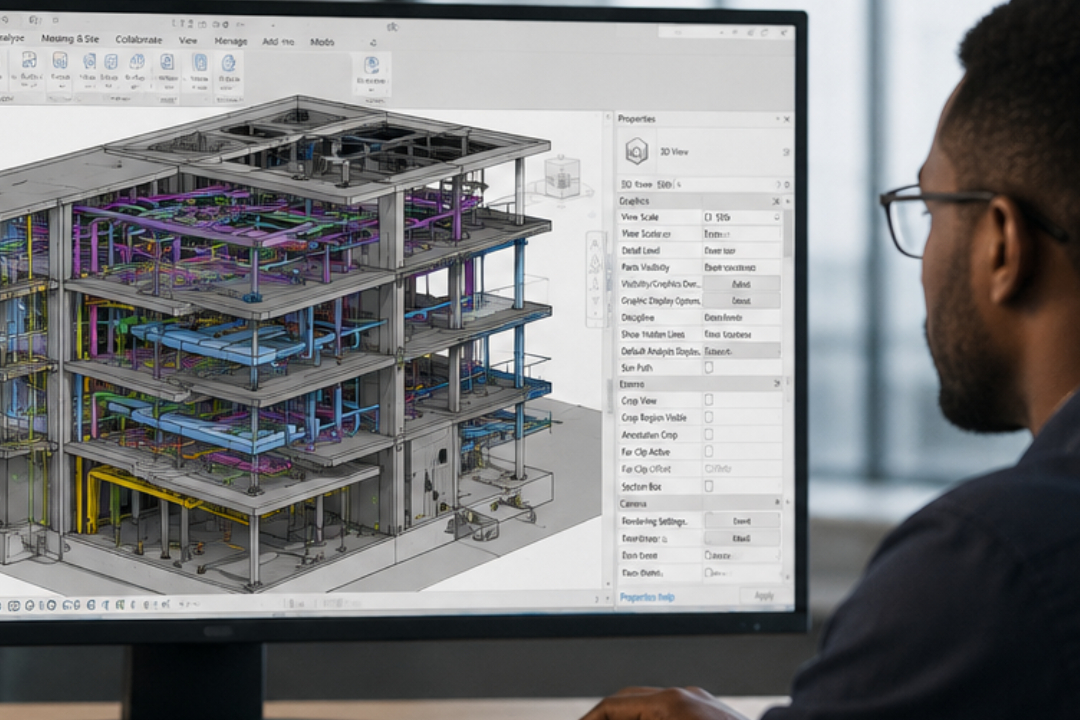
- Building Information Modeling (BIM)
- Drone inspections
- 3D laser scanning
- Artificial Intelligence (AI)
- Structural health monitoring systems
- Finite Element Analysis (FEA)
- Geographic Information Systems (GIS)
These tools enhance accuracy, reduce inspection risks, and improve long-term asset management.
Best Practices for Bridge Safety
Successful bridge projects typically follow these principles:
- Conduct detailed site investigations.
- Design according to international engineering standards.
- Use certified, high-quality materials.
- Implement strict quality control during construction.
- Perform comprehensive load testing.
- Schedule routine inspections.
- Invest in preventive maintenance.
- Utilize smart monitoring technologies.
- Address defects promptly.
- Continuously train engineering and maintenance teams.
These practices help ensure that bridges remain safe, reliable, and functional for decades.
Conclusion
Bridge safety is achieved through a combination of sound engineering principles, quality construction, regular inspections, and proactive maintenance. From the earliest design stages to long-term structural monitoring, engineers work tirelessly to ensure that every bridge can safely support the people and communities who rely on it.
At Heaven’s Gate Engineering and Construction, we are committed to delivering infrastructure that meets the highest standards of safety, durability, and engineering excellence. By combining innovative technology, experienced professionals, and internationally recognized best practices, we build bridges that connect communities and stand the test of time.