Why Infrastructure Is the Backbone of National Development
Infrastructure is the foundation upon which every modern nation is built. Roads, bridges, railways, power systems, water supply networks, drainage systems, and public buildings form the framework that supports economic growth, social development, and national prosperity. Without reliable infrastructure, industries struggle to operate, businesses cannot expand, and communities face barriers to growth.
This article explores why infrastructure is essential for national development and how strategic investment in engineering and construction drives long-term progress.
What Is Infrastructure?
Infrastructure refers to the physical and organizational systems required for a country to function efficiently. It includes:
- Transportation networks (roads, bridges, airports, railways)
- Water supply and sanitation systems
- Energy and power infrastructure
- Housing and public buildings
- Drainage and flood control systems
- Communication and digital infrastructure
These systems enable economic activity, improve living standards, and connect communities.
Infrastructure Drives Economic Growth
One of the strongest links between infrastructure and development is economic productivity. Efficient infrastructure reduces the cost of doing business and enables industries to operate smoothly.
How Infrastructure Boosts the Economy
- Improves Transportation Efficiency
Good road and rail networks allow goods and services to move quickly and safely. Businesses can transport materials, deliver products, and access markets without delays. - Attracts Investment
Investors prefer countries with reliable infrastructure. Strong transport, power, and water systems create a favorable business environment that encourages both local and foreign investment. - Supports Industrial Development
Manufacturing, agriculture, and trade depend heavily on infrastructure. Factories need power, farms need irrigation and roads, and ports need efficient transport links. - Creates Jobs and Employment
Infrastructure projects generate jobs during construction and continue creating employment through long-term operation and maintenance.
Infrastructure Improves Quality of Life
Infrastructure directly affects the daily lives of citizens.
Key Social Benefits
- Access to clean water and sanitation improves public health
- Reliable electricity enhances education and productivity
- Safe roads reduce accidents and travel time
- Proper drainage prevents flooding and disease outbreaks
- Schools and hospitals improve community well-being
When infrastructure improves, living standards rise.
Infrastructure Enables Urban Development
Rapid urbanization requires strong infrastructure planning. Cities depend on roads, housing, drainage, and utilities to support growing populations.
Without adequate infrastructure:
- Traffic congestion increases
- Flooding becomes common
- Housing shortages worsen
- Public services become strained
Well-planned infrastructure ensures sustainable and livable cities.
Infrastructure Supports National Security and Stability
Infrastructure plays a major role in national resilience and security.
Strong infrastructure enables:
- Efficient emergency response
- Disaster preparedness and recovery
- Reliable supply chains
- Safe transportation networks
Countries with strong infrastructure recover faster from natural disasters and economic shocks.
Infrastructure and Poverty Reduction
Infrastructure helps reduce poverty by connecting communities to opportunities.
How Infrastructure Reduces Poverty
- Rural roads connect farmers to markets
- Electricity enables small businesses to grow
- Water supply improves health and productivity
- Transportation improves access to education and jobs
Infrastructure creates pathways for inclusive growth.
Infrastructure and Sustainable Development
Modern infrastructure must be designed with sustainability in mind.
Sustainable infrastructure includes:
- Energy-efficient buildings
- Renewable energy systems
- Climate-resilient roads and bridges
- Sustainable drainage and water management
Investing in sustainable infrastructure ensures long-term environmental and economic stability.
Role of Engineering in National Development
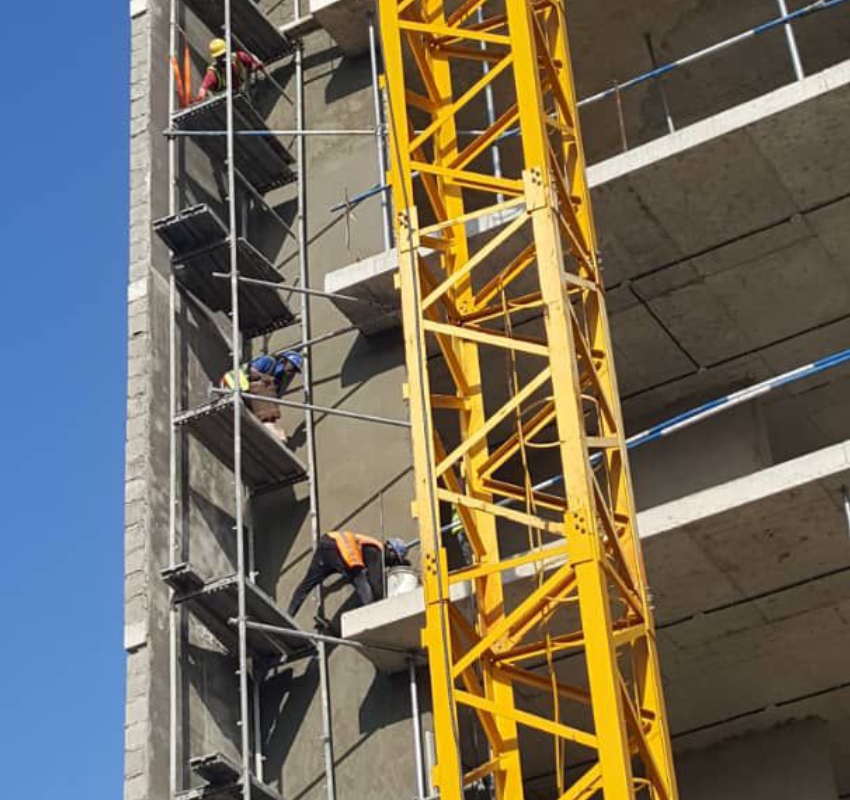
Civil engineering firms play a critical role in designing, constructing, and maintaining infrastructure. Their expertise ensures:
- Safe and durable structures
- Efficient project planning and execution
- Compliance with engineering standards
- Long-term infrastructure performance
Engineering excellence transforms development goals into real-world projects.
Challenges Facing Infrastructure Development
Many countries face infrastructure challenges such as:
- Rapid population growth
- Limited funding
- Aging infrastructure
- Climate change impacts
- Urban expansion
Addressing these challenges requires strategic planning and long-term investment.
Long-Term Benefits of Infrastructure Investment
Countries that prioritize infrastructure experience:
- Stronger economic growth
- Improved living standards
- Increased global competitiveness
- Enhanced social stability
- Sustainable urban development
Infrastructure investment is not an expense—it is a long-term national asset.