Construction Practices That Prevent Erosion in Nigeria
Soil erosion is one of the most significant challenges facing the construction industry. During excavation, grading, and land development, exposed soil becomes vulnerable to wind and water, which can lead to sediment runoff, unstable foundations, environmental degradation, and costly project delays.
Preventing erosion is not only an environmental responsibility but also a critical engineering practice that protects infrastructure, preserves surrounding ecosystems, and ensures the long-term stability of construction projects. Through proper planning, modern engineering techniques, and sustainable construction practices, erosion risks can be significantly reduced.
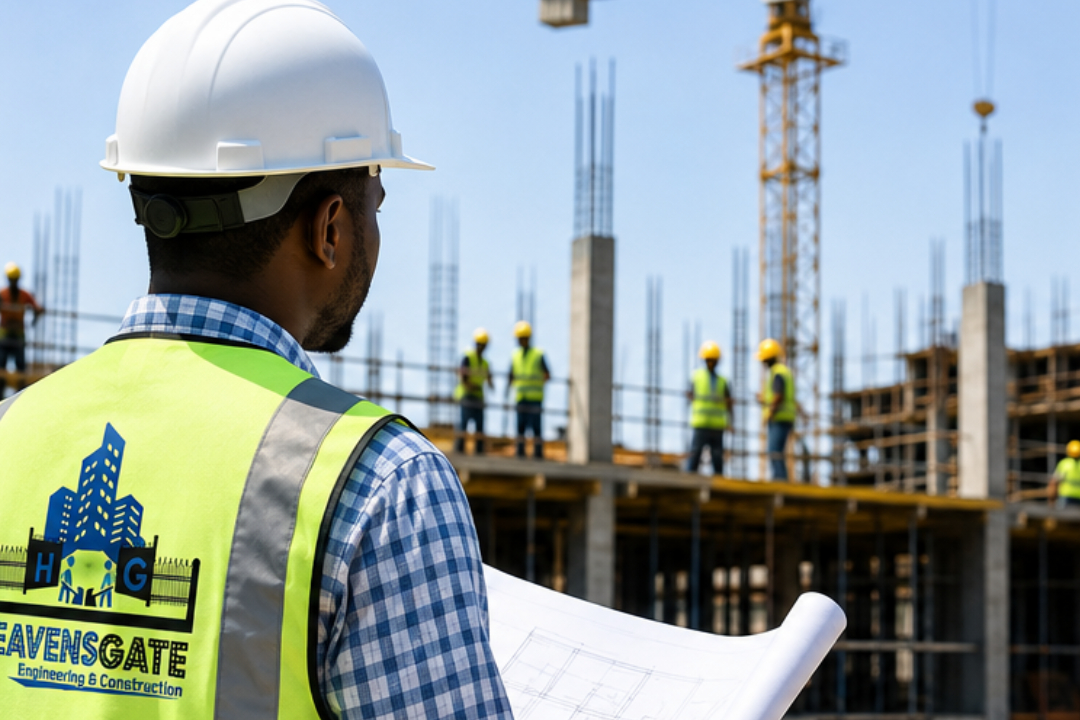
At Heaven’s Gate Engineering and Construction, erosion control is integrated into every stage of project planning and execution to ensure safe, durable, and environmentally responsible developments.
What Is Soil Erosion?
Soil erosion is the process by which the top layer of soil is displaced by water, wind, or human activities. On construction sites, erosion often occurs when vegetation is removed, leaving bare soil exposed to rainfall or strong winds.
Without proper control measures, erosion can cause:
- Loss of valuable topsoil
- Foundation instability
- Sediment pollution in rivers and drainage systems
- Flooding and blocked waterways
- Damage to nearby properties
- Increased construction and maintenance costs
- Delays in project completion
Proper erosion control minimizes these risks while protecting both the project and the environment.
Why Erosion Control Matters in Construction
Effective erosion prevention provides numerous benefits, including:
- Protecting building foundations
- Maintaining soil stability
- Preventing drainage blockages
- Reducing environmental impact
- Improving site safety
- Complying with environmental regulations
- Lowering maintenance and repair costs
Projects that prioritize erosion control are more sustainable, resilient, and cost-effective over their entire lifecycle.
1. Comprehensive Site Assessment Before Construction
Every successful erosion control plan begins with a detailed site investigation.
Engineers evaluate:
- Soil type and composition
- Natural drainage patterns
- Groundwater conditions
- Existing vegetation
- Slope gradients
- Rainfall intensity
- Environmental sensitivity
This information helps determine the most appropriate erosion prevention strategies before construction begins.
2. Preserve Existing Vegetation
Vegetation acts as nature’s first defense against erosion.
Whenever possible, construction teams should preserve:
- Mature trees
- Grass cover
- Shrubs
- Natural ground cover
Plant roots stabilize the soil while leaves reduce the impact of rainfall on exposed surfaces.
Areas that must be cleared should be replanted as soon as practical after construction.
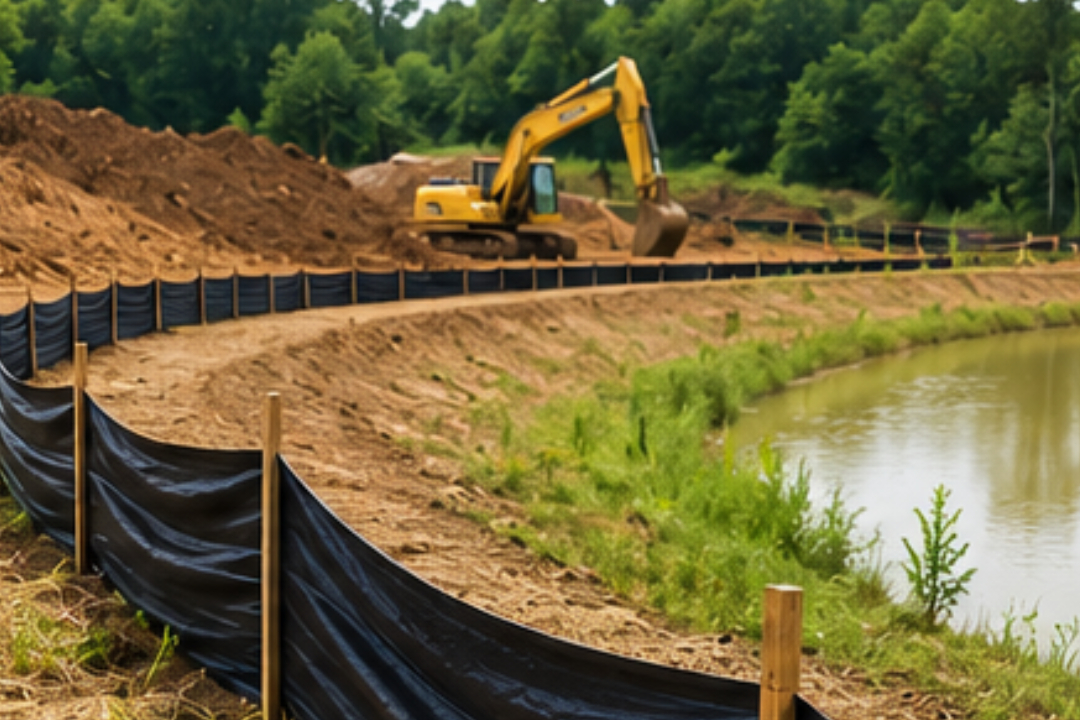
3. Install Silt Fences and Sediment Barriers
Silt fences are among the most common erosion control measures used on construction sites.
These temporary barriers:
- Capture sediment before it leaves the site
- Reduce muddy runoff
- Protect nearby waterways
- Minimize environmental contamination
Proper installation and routine maintenance ensure maximum effectiveness.

4. Construct Effective Drainage Systems
Water is the leading cause of erosion on construction sites.
Proper drainage systems safely channel stormwater away from exposed soil.
Common drainage solutions include:
- Surface drains
- Culverts
- Catch basins
- Stormwater channels
- Swales
- Retention ponds
Well-designed drainage prevents flooding while protecting nearby infrastructure.
5. Stabilize Slopes
Steep slopes are particularly susceptible to erosion.
Engineers use several methods to stabilize these areas, including:
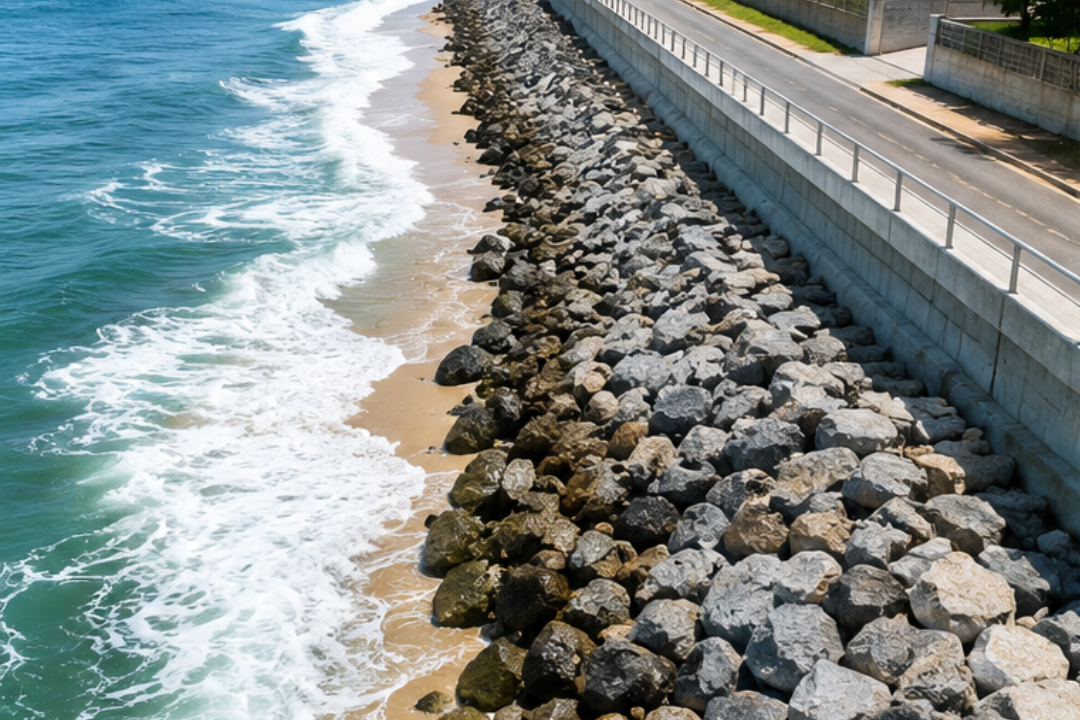
- Retaining walls
- Gabion walls
- Terracing
- Rock armoring
- Geotextiles
- Vegetative stabilization
Slope stabilization prevents landslides and protects surrounding developments.
6. Use Geotextile Fabrics
Geotextiles are synthetic materials placed over soil to improve stability and reduce erosion.
Their benefits include:
- Reinforcing weak soils
- Preventing soil movement
- Improving drainage
- Supporting vegetation growth
- Extending pavement life
Geotextiles are widely used in road construction, embankments, and foundation works.
7. Minimize Exposed Soil
Leaving large areas of soil exposed increases erosion risks.
Construction teams should:
- Phase earthworks carefully
- Complete grading in sections
- Cover exposed soil promptly
- Schedule excavation during favorable weather
Reducing exposure minimizes sediment loss during rainfall.

8. Apply Mulching and Ground Cover
Mulch provides temporary protection while vegetation becomes established.
Common materials include:
- Straw
- Wood chips
- Compost
- Hydromulch
Ground cover helps retain moisture, reduce runoff, and protect soil from erosion.
9. Control Construction Traffic
Heavy machinery can loosen soil and create channels that encourage runoff.
Best practices include:
- Designated haul roads
- Stabilized equipment entrances
- Restricted traffic zones
- Routine site maintenance
Managing equipment movement preserves soil integrity.
10. Monitor and Maintain Erosion Control Measures
Installing erosion controls is only the first step.
Regular inspections ensure that:
- Silt fences remain intact
- Drainage systems function properly
- Sediment is removed when necessary
- Damaged controls are repaired promptly
Continuous monitoring keeps erosion prevention measures effective throughout the project.
Sustainable Erosion Control Practices
Modern construction increasingly adopts environmentally friendly erosion control methods, including:
- Rain gardens
- Bioswales
- Permeable pavements
- Green retaining systems
- Native vegetation restoration
- Stormwater harvesting
These sustainable solutions improve water quality, reduce flooding, and enhance biodiversity while supporting resilient infrastructure.
The Role of Professional Engineers
Effective erosion prevention requires engineering expertise. Professional engineers develop erosion and sediment control plans tailored to each site’s unique conditions. They oversee implementation, monitor performance, and ensure compliance with environmental regulations and industry standards.
Conclusion
Preventing soil erosion is an essential component of responsible construction. By combining proper planning, modern engineering techniques, sustainable drainage systems, vegetation management, and continuous site monitoring, construction companies can protect both their projects and the surrounding environment.
At Heaven’s Gate Engineering and Construction, we are committed to delivering infrastructure that is not only durable and efficient but also environmentally responsible. Through innovative construction practices and professional engineering solutions, we help build safer, stronger, and more sustainable communities.