The Importance of Collaboration Between Designers and Contractors in Successful Construction Projects
Collaboration Between Designers and Contractors: The Foundation of Successful Construction Projects
Every successful construction project is the result of effective collaboration between multiple professionals, but perhaps none is more important than the partnership between designers and contractors. While designers transform ideas into practical and functional plans, contractors bring those plans to life through skilled execution. When these two groups work together from the earliest stages of a project, they create safer, more efficient, cost-effective, and higher-quality developments.
Unfortunately, poor communication between designers and contractors remains one of the leading causes of project delays, budget overruns, design errors, and construction disputes. By fostering a collaborative approach, project teams can overcome these challenges and deliver projects that exceed client expectations.
Understanding the Roles
Designers
Designers include architects, structural engineers, civil engineers, mechanical engineers, electrical engineers, and other consultants responsible for developing the project’s vision and technical documentation.
Their responsibilities include:
- Developing architectural concepts
- Preparing engineering drawings
- Conducting structural analysis
- Ensuring regulatory compliance
- Selecting appropriate construction materials
- Coordinating technical specifications
- Balancing aesthetics with functionality
Contractors
Contractors are responsible for transforming approved designs into completed structures.
Their duties include:
- Site preparation
- Workforce management
- Equipment deployment
- Material procurement
- Construction scheduling
- Quality assurance
- Site safety management
- Delivering the project within budget and schedule
Both parties possess valuable expertise that contributes to project success.
Why Collaboration Matters
Construction projects involve countless moving parts. Without collaboration, even the best design can become difficult—or impossible—to construct efficiently.
Early cooperation allows contractors to provide practical input regarding:
- Material availability
- Construction methods
- Site conditions
- Equipment accessibility
- Cost implications
- Buildability
Likewise, designers can explain engineering requirements that preserve structural integrity while accommodating construction realities.
This exchange of knowledge reduces misunderstandings and leads to smarter decision-making.
Benefits of Strong Designer–Contractor Collaboration
1. Improved Project Planning
Collaboration during the planning phase helps identify challenges before construction begins.
Together, designers and contractors can:
- Review project feasibility
- Optimize construction sequencing
- Identify site constraints
- Improve scheduling
- Allocate resources effectively
Early planning minimizes costly surprises later in the project.
2. Better Cost Control
Many construction budget overruns result from design revisions during construction.
When contractors contribute during design development, they can recommend:
- Cost-effective materials
- Alternative construction methods
- Efficient labor strategies
- Locally available resources
This process, known as value engineering, helps achieve project goals while controlling costs.

3. Reduced Construction Delays
Project delays often occur because:
- Drawings contain errors
- Specifications are incomplete
- Site conditions differ from assumptions
- Material selections are impractical
Continuous communication allows issues to be identified and resolved quickly before they impact the project timeline.
4. Enhanced Quality
Quality construction depends on accurate interpretation of design intent.
Regular coordination meetings ensure:
- Construction follows specifications
- Quality standards are maintained
- Design details are correctly executed
- Defects are minimized
This results in durable, safe, and visually appealing structures.
5. Improved Safety
Design decisions influence construction safety.
Contractors can recommend safer installation methods while designers can adjust plans to eliminate hazards before work begins.
Collaboration helps create safer job sites for workers while ensuring completed buildings remain safe for occupants.
6. Faster Problem Solving
Unexpected issues are inevitable.
Examples include:
- Poor soil conditions
- Utility conflicts
- Material shortages
- Weather delays
- Structural modifications
When designers and contractors communicate effectively, solutions can be developed quickly without compromising project objectives.
The Role of Technology
Modern construction increasingly relies on digital collaboration tools.
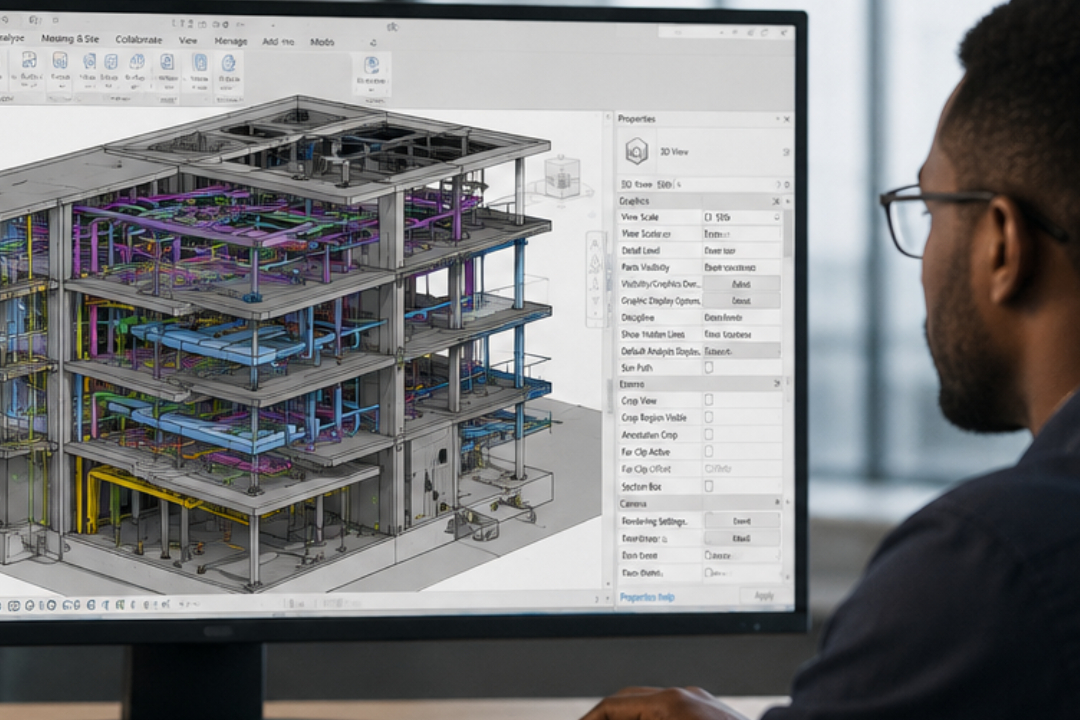
Building Information Modeling (BIM)
BIM enables architects, engineers, and contractors to work within a shared digital model.
Benefits include:
- Clash detection
- Improved visualization
- Better coordination
- Accurate quantity take-offs
- Reduced rework


Cloud-Based Project Management
Platforms such as Procore, Autodesk Construction Cloud, and Microsoft Teams allow stakeholders to:
- Share drawings
- Track progress
- Manage RFIs
- Monitor schedules
- Approve changes in real time
These technologies strengthen communication and reduce project risks.
Common Challenges to Collaboration
Despite its benefits, collaboration can be hindered by:
- Poor communication
- Late contractor involvement
- Unclear project objectives
- Frequent design changes
- Budget constraints
- Lack of trust among stakeholders
Addressing these issues requires strong leadership, transparency, and clearly defined responsibilities.
Best Practices for Effective Collaboration
Successful construction teams typically:
- Involve contractors during early design stages
- Hold regular coordination meetings
- Encourage open communication
- Use collaborative digital tools
- Clearly document decisions
- Resolve conflicts quickly
- Focus on shared project goals
- Promote teamwork rather than blame
These practices improve project performance while strengthening relationships among stakeholders.
Real-World Impact
Projects that prioritize collaboration often experience:
- Higher construction quality
- Fewer design conflicts
- Lower project costs
- Reduced delays
- Improved safety performance
- Greater client satisfaction
- Better long-term building performance
Whether constructing residential developments, commercial complexes, bridges, highways, or industrial facilities, collaboration consistently leads to better outcomes.